Fighting Fire in a Changing Climate: Exploring the Relationship between Climate Change and Wildland Fire

STS Students

By Wyatt Hudson

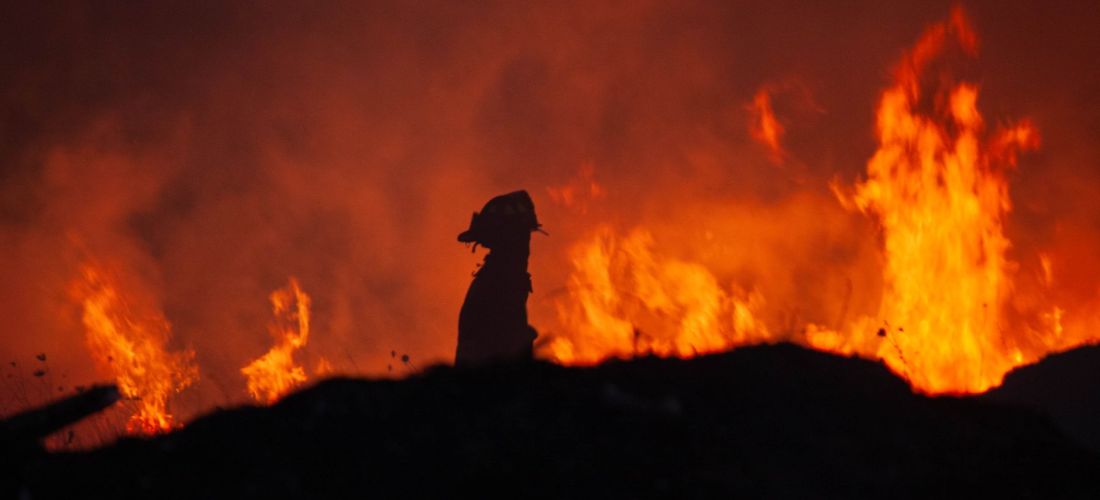
Wildland firefighting has always been a dangerous occupation. Firefighters regularly work in difficult terrain, carry heavy equipment, and spend long hours exposed to heat, smoke, and other hazardous conditions. While these challenges have always been part of the job, changing environmental conditions may be introducing additional risks and compounding those already present. As temperatures increase and wildfire seasons become more and more extreme all around the world, questions arise about how these changes could be affecting the safety of firefighters. The main question I want to address is whether climate change is contributing to the circumstances surrounding wildland firefighter deaths. If so, how, to what extent, and how can it be mitigated?

Wildfires occur naturally in many parts of the world and play an important role in maintaining certain ecosystems. However, the environmental conditions that influence wildfire activity have been changing. Higher temperatures, extended periods of drought, and reduced moisture in available fuels can all create conditions that allow for large fire growth. These changes can make an already demanding job even more challenging. In some situations, changes in wind, weather, or vegetation can cause a fire to behave unexpectedly. Even experienced firefighters with extensive training can find themselves in situations where conditions become very dangerous very quickly.
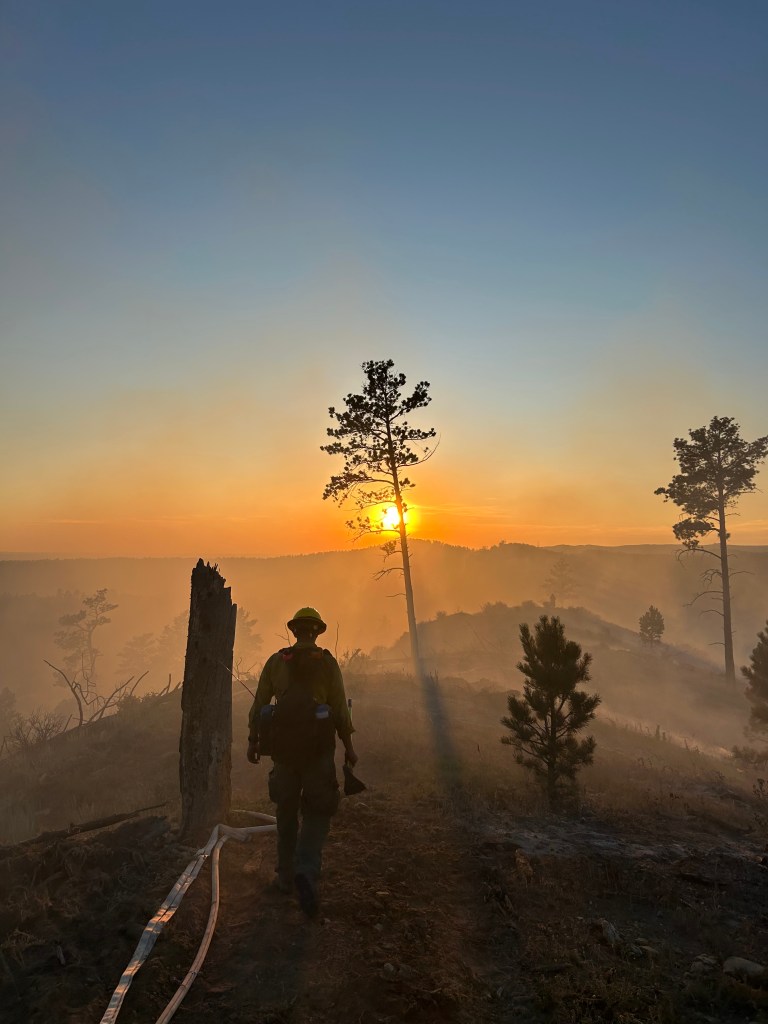
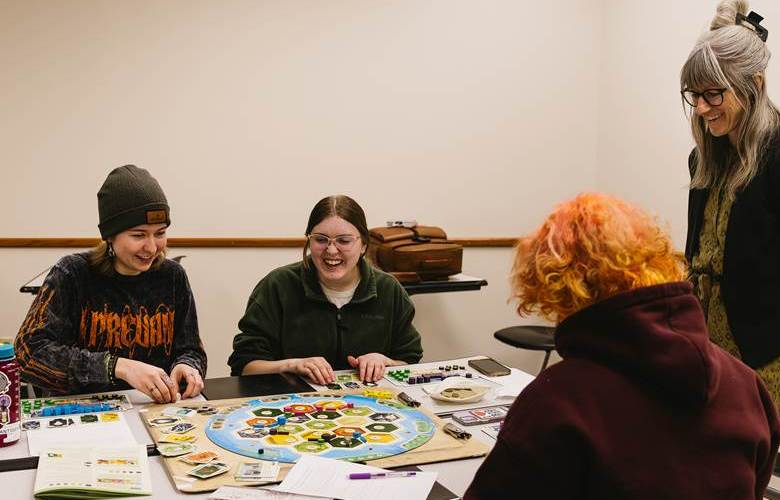
Photo of a firefighter walking away from the camera and toward a smoky wildland fire environment with the sun in the background.
Wyatt Hudson walking off the Surveyor Fire last year, a few miles Northwest of Custer.
Students sit at a table playing the board game while Dr. Witlacil observes.

What can games teach us about climate change?: Playing CATAN – New Energies for World Climate Games Day

Classes, Environment

By Mary Witlacil

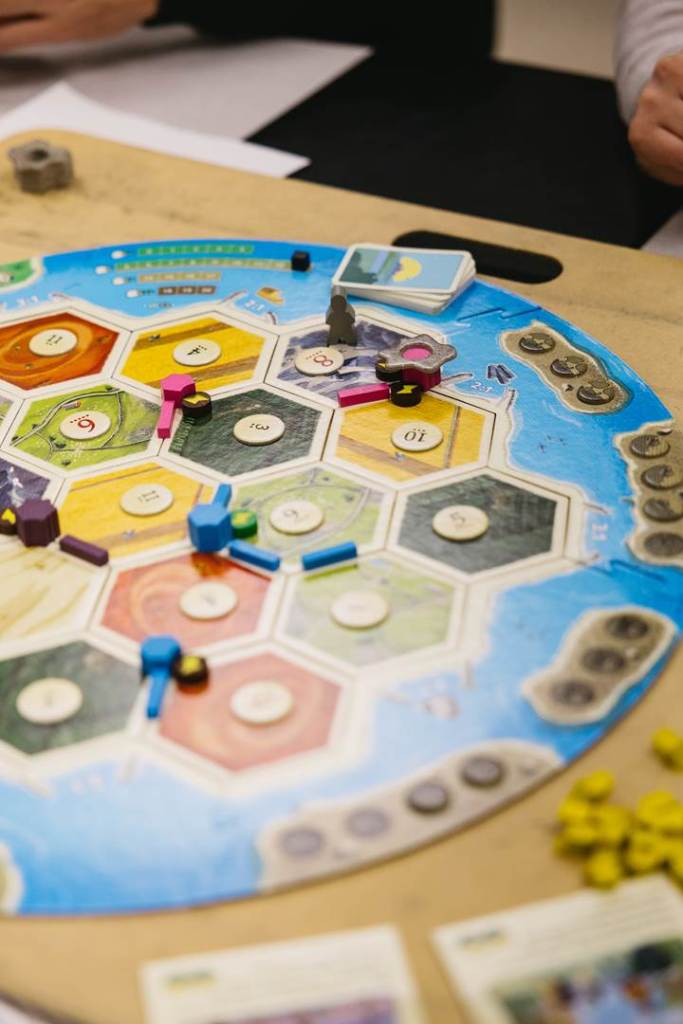
Earlier this semester, students in Environmental Law and Policy (POLS 407) played CATAN – New Energies for the second annual Worldwide Climate Games Day. New Energies is an updated version of CATAN, where players jockey to collect enough resources to build out their society and develop their energy infrastructure. Players can choose to develop cheaper fossil fuels to collect more resources or opt for more expensive renewable energy plants. With more fossil fuel power plants the global footprint climbs higher, which increases the likelihood of triggering a natural disaster or a pollution event.

A Catan game board midway thorugh play, featuring tokens distributed across the game world.

The game gives players a choice between working collaboratively to bring down their global carbon footprint, or teaming up against each other to build out their fossil fuel energy grids. One group of students played cooperatively by trading resources with each other and exclusively building out renewable energy. Reflecting on this strategy, one student noted that the game helped them recognize the role international cooperation plays in combatting climate change.

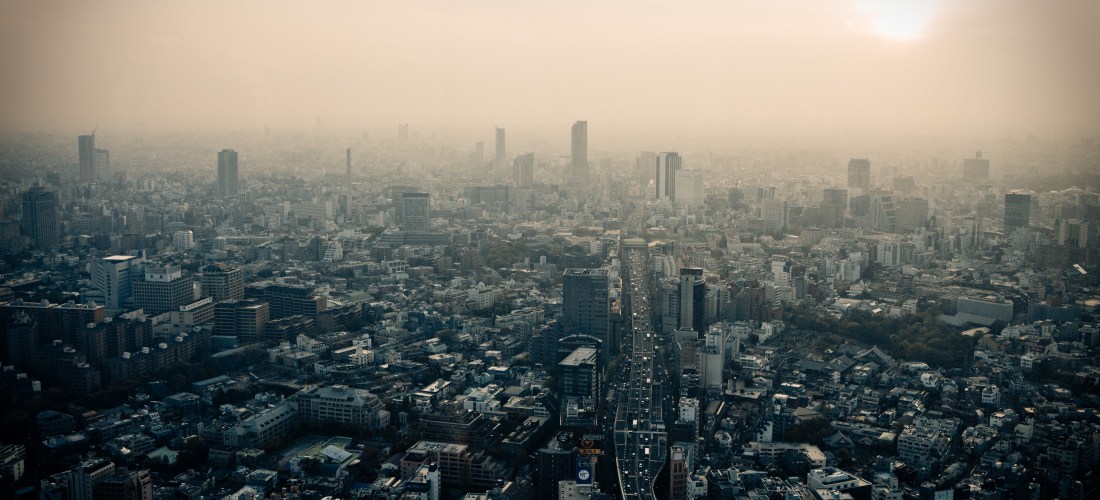
An aerial view of a city showing a smoggy sky above the buildings.

Models: How accurate are they?

Atmospheric Science Students

By Ryleigh Czajkowski

I have always been curious about the weather and climate, as my dad was a pilot and used to teach me little things about the atmosphere. When I entered college, I decided to follow that curiosity by majoring in atmospheric sciences and developed a new interest in air quality along the way. Air quality is an issue that has global effects with potential detrimental impacts, and I would like to find a job that uses scientific understanding of air pollution to make impactful actions and policies. Specifically, I would like to go into pollution modeling and management to help mitigate the effects of pollution on communities and ecosystems.

This interest was sparked during an internship I had last summer as part of NASA’s Student Airborne Research Program (SARP). This experience allowed me to use airborne data to validate the Environmental Protection Agency’s (EPA) Community Multiscale Air Quality Model (CMAQ), to see how accurately the model predicts the concentrations of different pollutants. The CMAQ model works by incorporating meteorological (wind, temperature, etc.), emission, and chemical models to simulate the concentrations of trace gases, particulate matter, and atmospheric pollutants both spatially and temporally (EPA, 2022). 

A group of people standing outside near the tail of a plane with NASA on the tail.
Property of NASA SARP. Credit: Madison Landi.

For my senior capstone project, I will be expanding on my previous research to build a better understanding of the capabilities of the model, as it recently underwent an update in 2022 to improve the meteorological processes and emissions. I will focus on the South Coast Air Basin in California, an area with known, notable air quality issues (Chen, et al., 2020) and the levels of formaldehyde and methane there. Both methane and formaldehyde act as active gases in the atmosphere. With methane concentrations on the rise (Feng, et al., 2023) and formaldehyde as a health and environmental irritant (Lucken, et al., 2018), they are important gases to study and understand. I will be assessing how well the CMAQ model can simulate the concentrations of formaldehyde and methane in the atmosphere, as well as the accuracy of  the meteorological inputs (i.e., wind) as they greatly affect the behavior and amounts of those gasses. (Barsanti, et al., 2019).