Fighting Fire in a Changing Climate: Exploring the Relationship between Climate Change and Wildland Fire

STS Students

By Wyatt Hudson

Wildland firefighting has always been a dangerous occupation. Firefighters regularly work in difficult terrain, carry heavy equipment, and spend long hours exposed to heat, smoke, and other hazardous conditions. While these challenges have always been part of the job, changing environmental conditions may be introducing additional risks and compounding those already present. As temperatures increase and wildfire seasons become more and more extreme all around the world, questions arise about how these changes could be affecting the safety of firefighters. The main question I want to address is whether climate change is contributing to the circumstances surrounding wildland firefighter deaths. If so, how, to what extent, and how can it be mitigated?

Wildfires occur naturally in many parts of the world and play an important role in maintaining certain ecosystems. However, the environmental conditions that influence wildfire activity have been changing. Higher temperatures, extended periods of drought, and reduced moisture in available fuels can all create conditions that allow for large fire growth. These changes can make an already demanding job even more challenging. In some situations, changes in wind, weather, or vegetation can cause a fire to behave unexpectedly. Even experienced firefighters with extensive training can find themselves in situations where conditions become very dangerous very quickly.
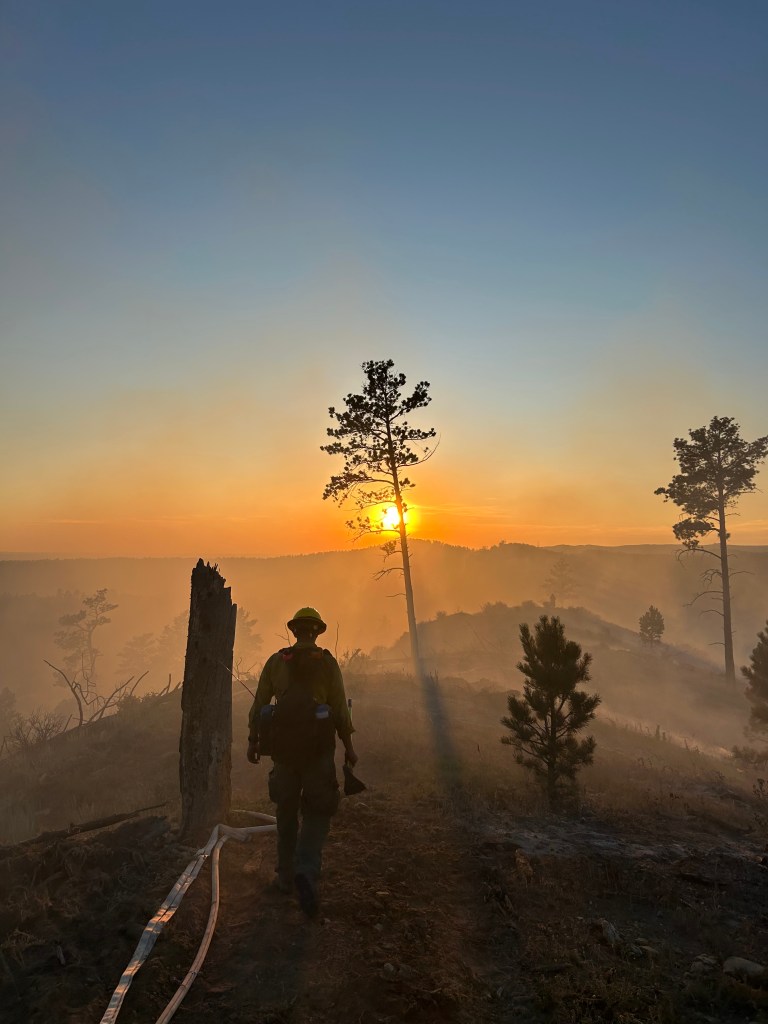
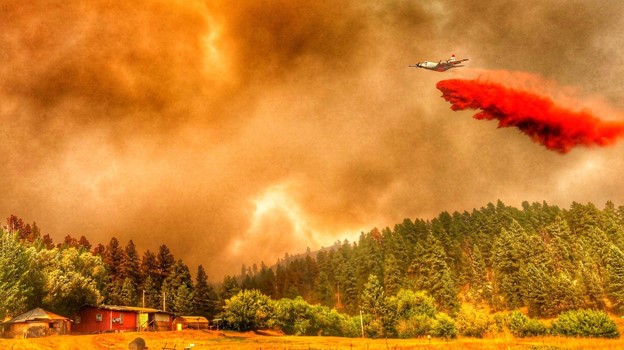
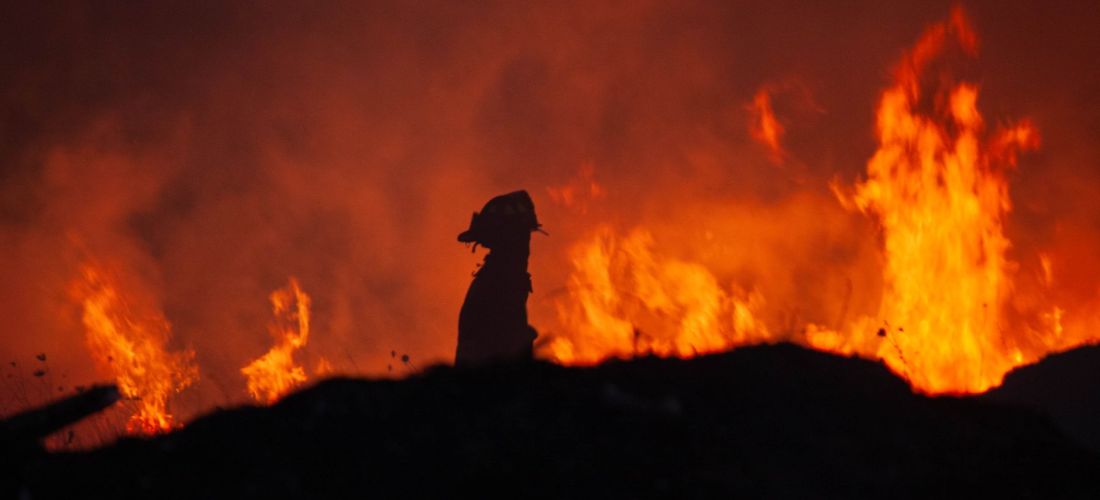
Photo of a firefighter walking away from the camera and toward a smoky wildland fire environment with the sun in the background.
Wyatt Hudson walking off the Surveyor Fire last year, a few miles Northwest of Custer.

Montana Wildfires: What Drives Local Fire Danger?

Atmospheric Science Students

By Jack Knighton

Globally, wildfires are becoming more common. Research indicates that peak wildfire season has lengthened for over 25% of the Earth’s vegetated surface, causing an 18% increase in global mean fire season length (Jolly, et. al, 2013). In an October 2024 report, the Montana Legislative Fiscal Division found that 70% of the acres burned in Montana history have occurred after the year 2000. The report also found that Montana spent over $500 million dollars suppressing fires between 2002 and 2023, with a further $1.8 billion having been spent by federal agencies. With wildfires becoming more common, it is increasingly important that we understand local wildfire behavior to aid with suppression efforts.

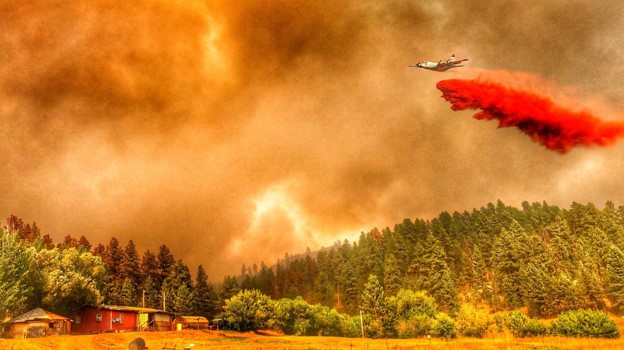
A photo of an aircraft flying over trees with smoke in the background and dropping fire retardant.
Aircraft drops fire retardant on the 2021 Richard Spring Fire in Montana, photo by Phil Millette, FWS.

Wildfire behavior is driven primarily by weather, topography, and the availability of fuel. Fuel availability varies throughout the year, and is primarily a function of moisture, vegetation type, and vegetation density.  Vegetation type and density are driven by the amount of annual precipitation and average temperature. Drought impacts fuel moisture, allowing for more easily combustible fuel and increased rate of fire spread. Previous research (Clabo, 2018, Westerling et. al, 2003) has indicated that there may be correlations between local climate variables and increased wildfire activity, however no dedicated study has been conducted for Montana.

A Spark from Above: Investigating Environmental Conditions Associated with Lightning-Ignited Wildfires in the Black Hills

Atmospheric Science Students

By Gavin Bird

Wildfires are a common and dangerous threat throughout the western United States, including in the Black Hills of South Dakota. Many of these wildfires are ignited by lightning during the summer months, which make up the primary fire season across much of the western United States. Between 1987 and 2016, more than 2,500 fires occurred in the Black Hills during June, July, and August, with over half attributed to lightning (Clabo 2018). These wildfires threaten lives, property, and natural resources while requiring significant and costly emergency responses and resources.

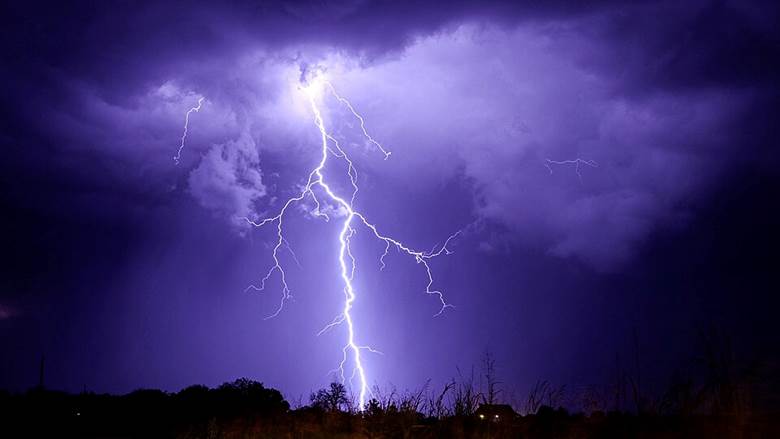
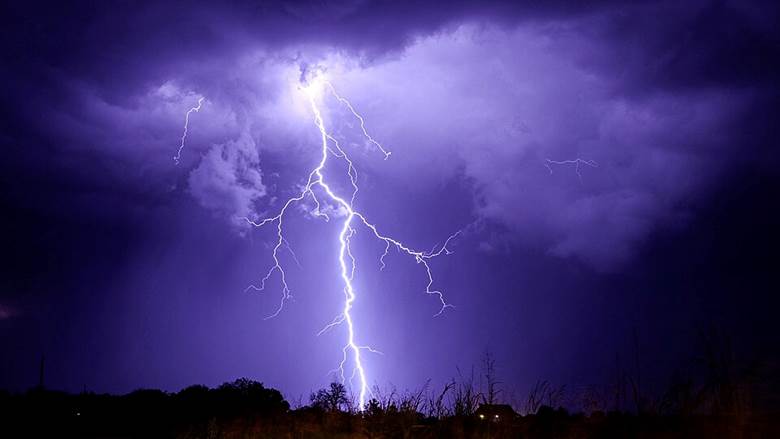
Lightning strike from the clouds through a dark purple night sky.
Lightning strike over North Texas. Rollingskyphoto, CC BY 4.0, via Wikimedia Commons.