By Wyatt Hudson
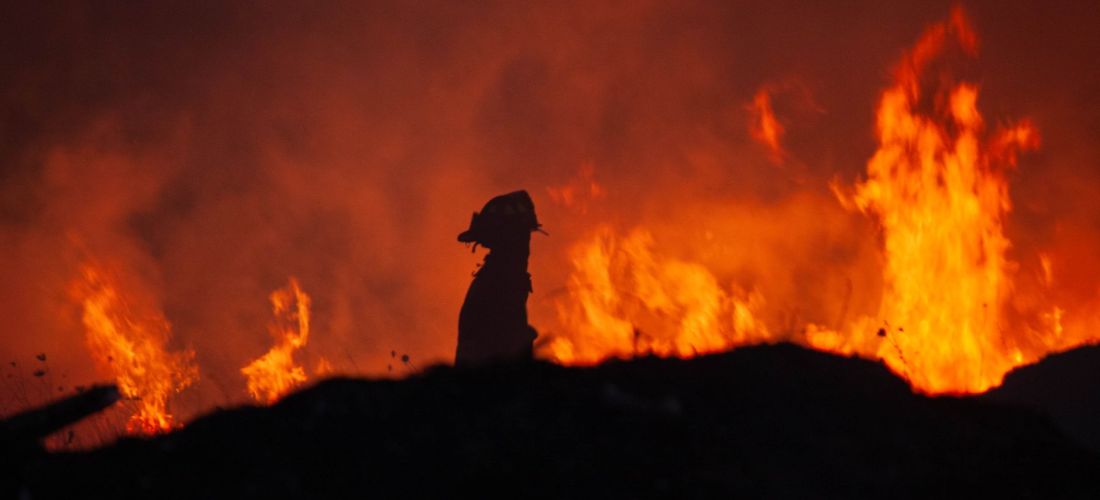
Wildland firefighting has always been a dangerous occupation. Firefighters regularly work in difficult terrain, carry heavy equipment, and spend long hours exposed to heat, smoke, and other hazardous conditions. While these challenges have always been part of the job, changing environmental conditions may be introducing additional risks and compounding those already present. As temperatures increase and wildfire seasons become more and more extreme all around the world, questions arise about how these changes could be affecting the safety of firefighters. The main question I want to address is whether climate change is contributing to the circumstances surrounding wildland firefighter deaths. If so, how, to what extent, and how can it be mitigated?
Wildfires occur naturally in many parts of the world and play an important role in maintaining certain ecosystems. However, the environmental conditions that influence wildfire activity have been changing. Higher temperatures, extended periods of drought, and reduced moisture in available fuels can all create conditions that allow for large fire growth. These changes can make an already demanding job even more challenging. In some situations, changes in wind, weather, or vegetation can cause a fire to behave unexpectedly. Even experienced firefighters with extensive training can find themselves in situations where conditions become very dangerous very quickly.
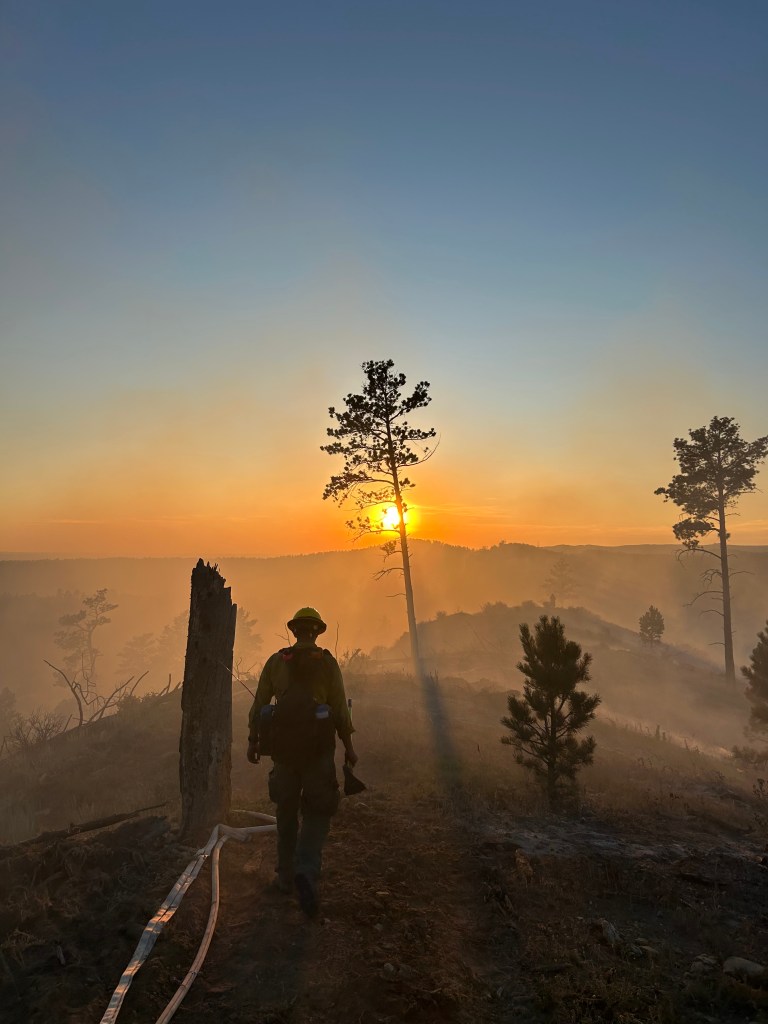
Although being knowledgeable on fire behavior is an important part of firefighter safety, it is not the only concern. Firefighters face many other dangers that may have little or no direct connection to the fire itself. Vehicle accidents, falling trees, aircraft accidents, and medical emergencies are all examples of incidents that can result in fatalities.
Because of this, my capstone will look beyond the assumption that more severe wildfires automatically result in more firefighter deaths. Instead, I want to examine whether changing environmental conditions are associated with certain types of fatal incidents and how those relationships might be explained. For example, increasing temperatures could contribute to additional physical stress and extended fire seasons, which can lead to burnout, stress, and complacency, all of which can then lead to unnecessary mistakes.
When a firefighter loses their life, the consequences affect more than the agency they worked for. Families, coworkers, and entire communities can be impacted by these incidents. Finding ways to better understand and reduce these risks is important for everyone who depends on the work firefighters do. The goal of my capstone is to better understand the possible connections between climate change and the dangers wildland firefighters face, while recognizing that these incidents often involve multiple contributing factors. Climate change may be increasing certain hazards, but environmental conditions alone cannot explain every firefighter death. By examining wildfire trends, fatality records, and the human decisions involved in firefighting, I hope to identify relationships that could help improve the safety of wildland firefighters.
Bio:
My name is Wyatt Hudson, and I am a Science, Technology, and Society (STS) student at Mines and also a nontraditional student currently working for the U.S. Forest Service. I decided to pursue an STS degree because I feel it offers a wide range of opportunities and is one of the more versatile degrees available here. For my capstone project, I wanted to research something that examines a major issue in my profession while also looking at something that has become increasingly important in recent years. I chose to investigate the relationship between climate change and wildland firefighter fatalities to identify if there is any correlation and how that may be mitigated.

