Fighting Fire in a Changing Climate: Exploring the Relationship between Climate Change and Wildland Fire

STS Students

By Wyatt Hudson

Wildland firefighting has always been a dangerous occupation. Firefighters regularly work in difficult terrain, carry heavy equipment, and spend long hours exposed to heat, smoke, and other hazardous conditions. While these challenges have always been part of the job, changing environmental conditions may be introducing additional risks and compounding those already present. As temperatures increase and wildfire seasons become more and more extreme all around the world, questions arise about how these changes could be affecting the safety of firefighters. The main question I want to address is whether climate change is contributing to the circumstances surrounding wildland firefighter deaths. If so, how, to what extent, and how can it be mitigated?

Wildfires occur naturally in many parts of the world and play an important role in maintaining certain ecosystems. However, the environmental conditions that influence wildfire activity have been changing. Higher temperatures, extended periods of drought, and reduced moisture in available fuels can all create conditions that allow for large fire growth. These changes can make an already demanding job even more challenging. In some situations, changes in wind, weather, or vegetation can cause a fire to behave unexpectedly. Even experienced firefighters with extensive training can find themselves in situations where conditions become very dangerous very quickly.
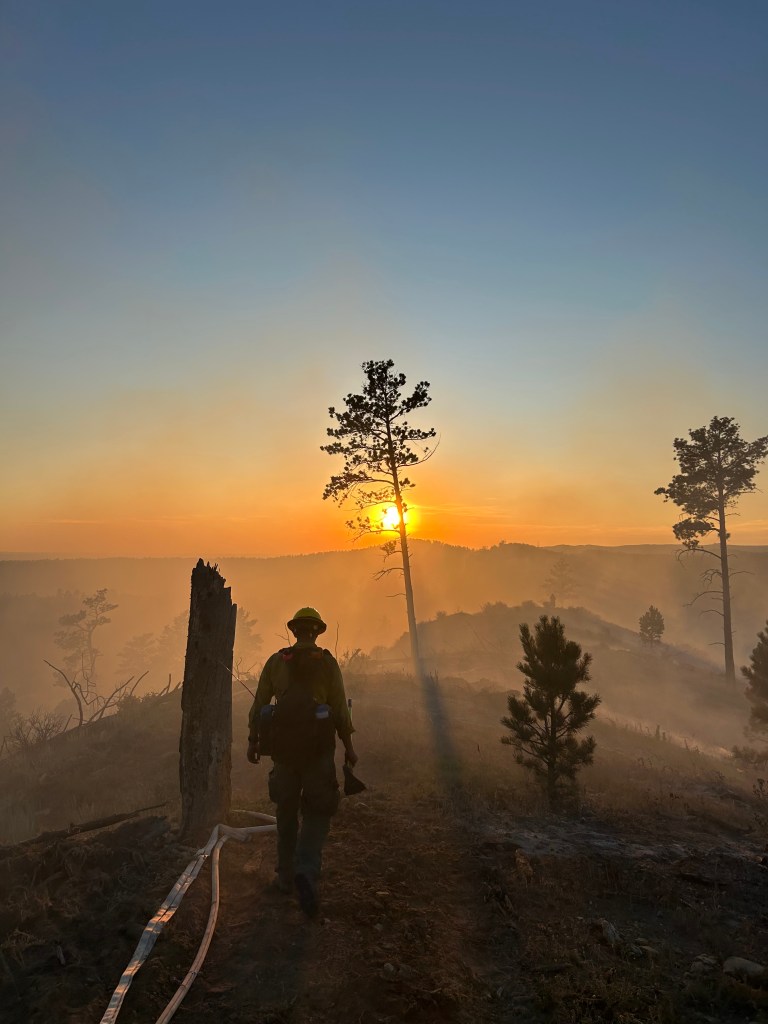
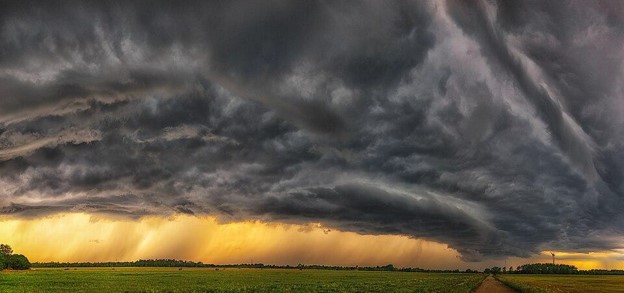
Photo of a firefighter walking away from the camera and toward a smoky wildland fire environment with the sun in the background.
Wyatt Hudson walking off the Surveyor Fire last year, a few miles Northwest of Custer.

Do You Really Understand Weather Warnings? The Effects of Individuals’ Background on Understanding Severe Weather Messaging

Atmospheric Science Students

By Alex Makarchuk

Imagine you are having dinner with your family, and suddenly a warning from the National Weather Service (NWS) blares on your phone: “TORNADO WARNING ISSUED FOR YOUR AREA.” Your first response to the loud noise and a scary message may put you and your family in a panic or leave you in a state of confusion, as the words used in the warning make you unsure how to keep your family safe. Public communication is one of many jobs of a meteorologist, and one of the hardest.

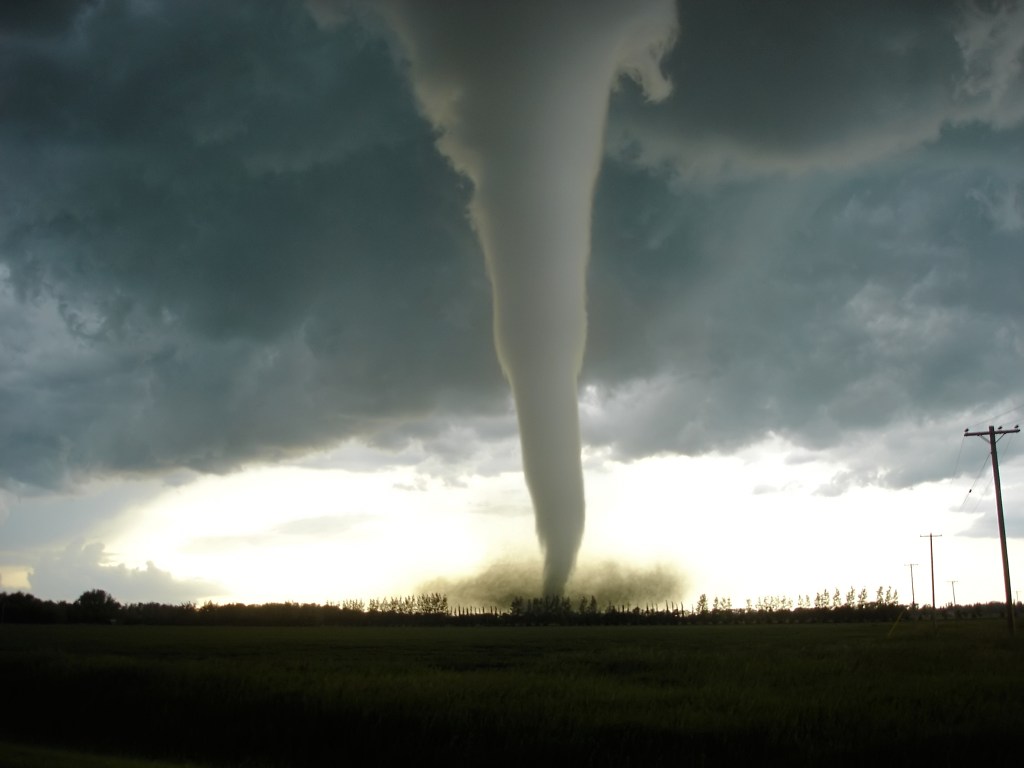
Photo of a funnel cloud touching down.
Justin1569 at English Wikipedia, CC BY-SA 3.0, via Wikimedia Commons.

NWS sends out just over 50,000 warnings a year across the country (Erdman 2022) to protect the public from damage that Mother Nature can cause. These warnings and messages only work if the reader can understand the message. If someone doesn’t understand what is happening right now, how are they supposed to take shelter and make informed decisions on what to do next? Sharing these warnings with millions of people across the country is a difficult job, which is why it is so important that we can build these messages so that everyone can understand the dangers and take proper action. It starts with understanding how people interpret these messages and why they interpret them that way.

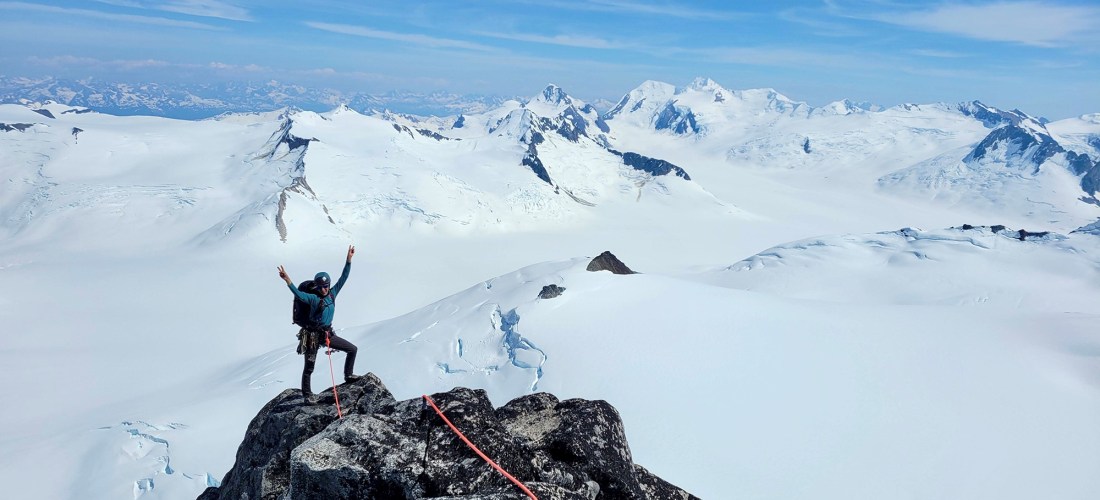
Climber on top of a peak, with snowy mountains extending into the background.

Historical Ascent: Mines Professor Part of First All-Women Team to Summit Alaska’s Devil’s Thumb

STS Faculty

Our STS professors do cool things both inside and outside the classroom! This press release features one of Dr. Mary Witlacil’s recent climbing accomplishments.


RAPID CITY, SD (Sept. 30, 2025) – Rising nearly 9,000 feet above the Pacific Ocean, Alaska’s Devil’s Thumb is as infamous as it is remote—a jagged peak known for brutal weather, frequent avalanches, sheer ice walls and a history of turning climbers back. Few have ever stood on its summit. None had done so as an all-women team.

Until this summer.

Mary Witlacil, Ph. D., a South Dakota Mines assistant professor of political science, and her climbing partner, Sarah Malone, etched their names into mountaineering history when they conquered the mountain’s eastern ridge.