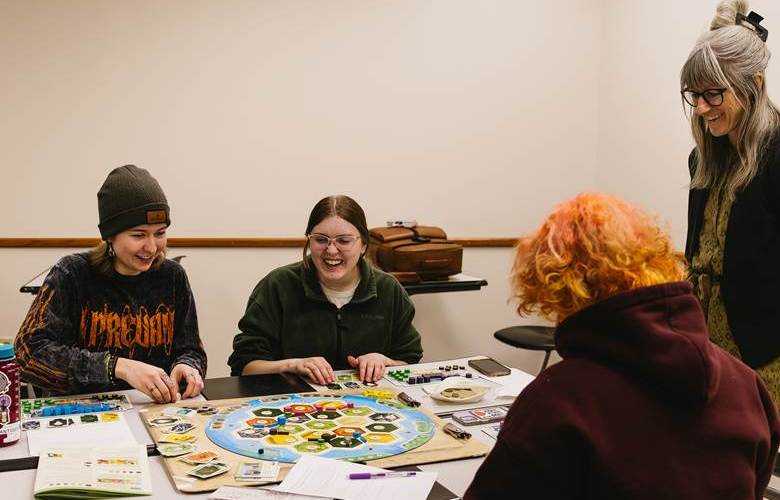
Students sit at a table playing the board game while Dr. Witlacil observes.

What can games teach us about climate change?: Playing CATAN – New Energies for World Climate Games Day

Classes, Environment

By Mary Witlacil

Earlier this semester, students in Environmental Law and Policy (POLS 407) played CATAN – New Energies for the second annual Worldwide Climate Games Day. New Energies is an updated version of CATAN, where players jockey to collect enough resources to build out their society and develop their energy infrastructure. Players can choose to develop cheaper fossil fuels to collect more resources or opt for more expensive renewable energy plants. With more fossil fuel power plants the global footprint climbs higher, which increases the likelihood of triggering a natural disaster or a pollution event.
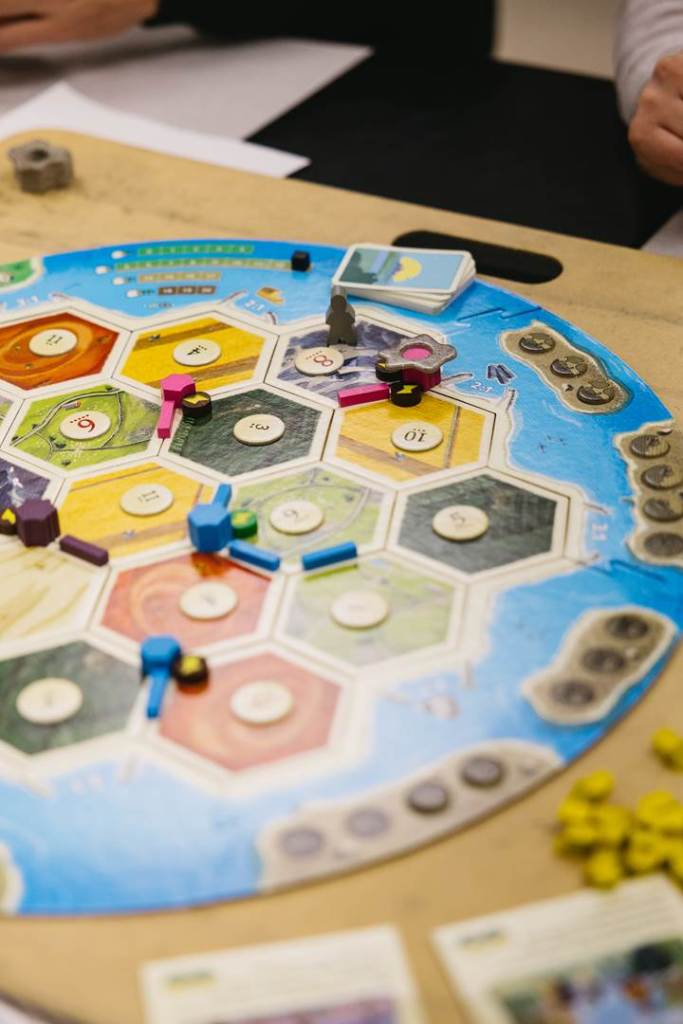
A Catan game board midway thorugh play, featuring tokens distributed across the game world.

The game gives players a choice between working collaboratively to bring down their global carbon footprint, or teaming up against each other to build out their fossil fuel energy grids. One group of students played cooperatively by trading resources with each other and exclusively building out renewable energy. Reflecting on this strategy, one student noted that the game helped them recognize the role international cooperation plays in combatting climate change.
Laws Below the Surface

Environment, STS Students

By Parker Smith

Land rights and mineral rights are a big issue in the mining industry. Mineral rights apply to most solids and liquids beneath the surface of the Earth, like coal, gold, and oil. The distinctions are more complex when you start to look at the laws. Materials like gravel and sand can be mined but are under a “materials” label. Other things are listed under “locatable minerals,” which includes metallic minerals (e.g., gold and silver) and non-metallic minerals (e.g., mica and asbestos). 

Mining companies don’t usually own mineral rights to the land they mine. Depending on how the mineral rights are owned, a mining company has to go through different means to get them. If they’re privately owned, they have to discuss leasing or purchase with the owner. If the government owns them, they can request to mine them out. 

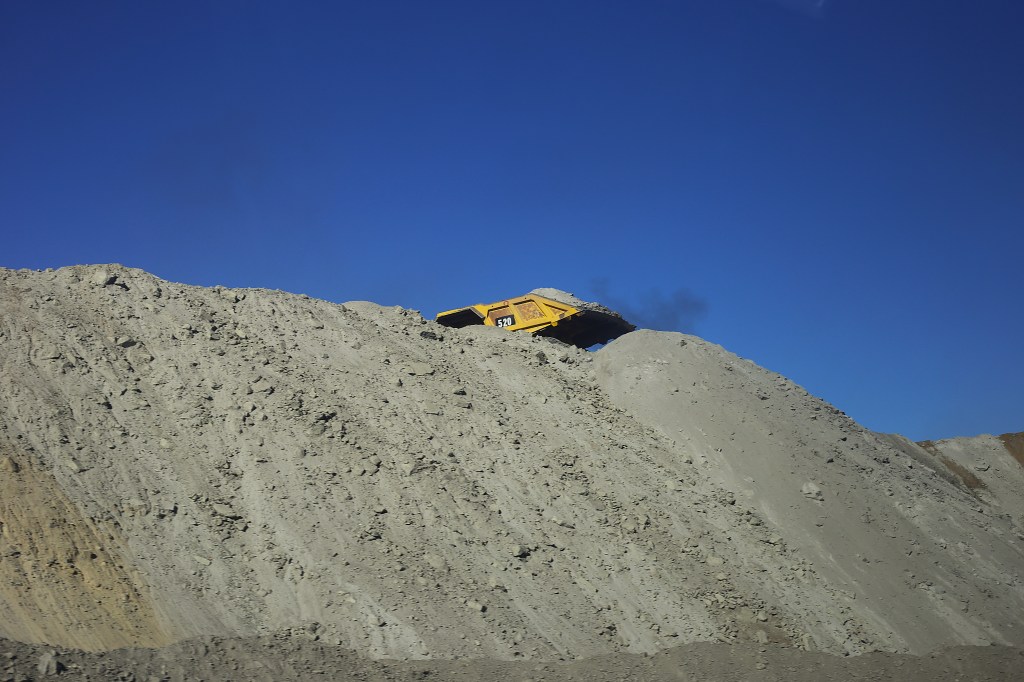
Haul truck dumping overburden. Photo by Parker Smith.

The General Mining Act of 1872 allowed the federal government to give private citizens and companies the “right to locate.” This right isn’t a transfer of mineral rights but instead gives private citizens and companies a right to mine out the materials and use, sell, or modify them. The only updates to this mining legislation have been for workplace safety and minor edits, nothing that would change the structure of mining or the system of claims. 

Claims are sorted into two most common categories: lode claims and placer claims. Lode claims are characterized by their well-defined boundaries including one main mineral, whereas placer claims provide for all the minerals in the area affected by the claim. For example, gravel mines are usually placer claims because they aren’t characterized by one distinct vein. This system is also managed and overseen by two separate government organizations: the US Bureau of Land Management and the US Forest Service. If the leasable minerals are on National Forest Service land, then the two organizations work together to decide if and how to lease them.