By Wyatt Hudson
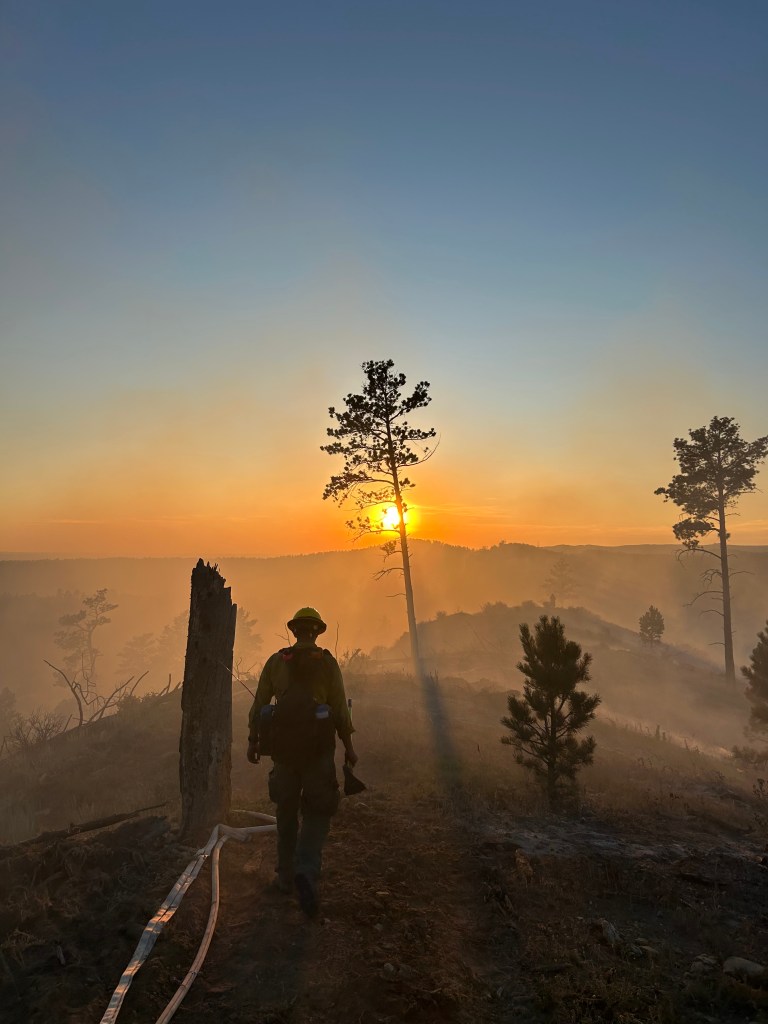
Wildland firefighting has always been a dangerous occupation. Firefighters regularly work in difficult terrain, carry heavy equipment, and spend long hours exposed to heat, smoke, and other hazardous conditions. While these challenges have always been part of the job, changing environmental conditions may be introducing additional risks and compounding those already present. As temperatures increase and wildfire seasons become more and more extreme all around the world, questions arise about how these changes could be affecting the safety of firefighters. The main question I want to address is whether climate change is contributing to the circumstances surrounding wildland firefighter deaths. If so, how, to what extent, and how can it be mitigated?
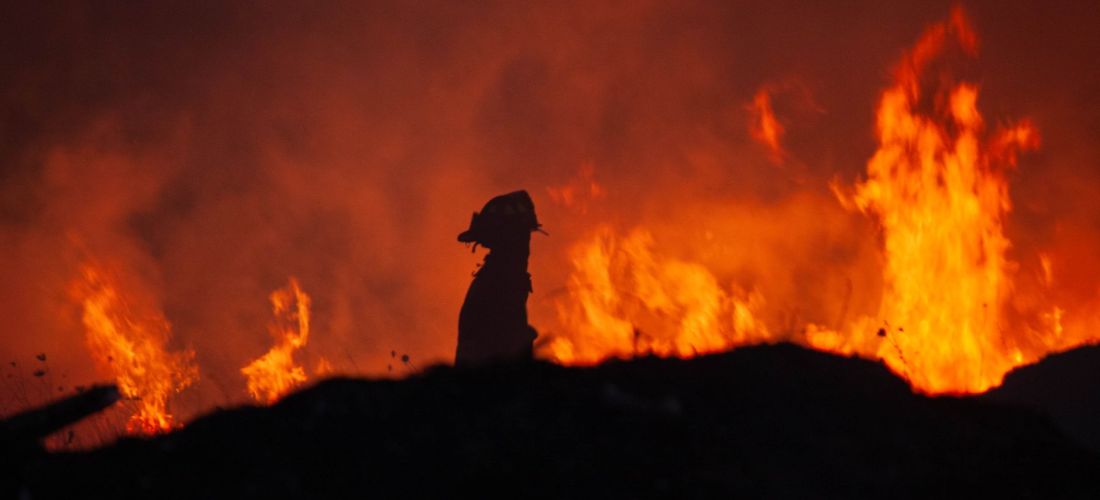
Wildfires occur naturally in many parts of the world and play an important role in maintaining certain ecosystems. However, the environmental conditions that influence wildfire activity have been changing. Higher temperatures, extended periods of drought, and reduced moisture in available fuels can all create conditions that allow for large fire growth. These changes can make an already demanding job even more challenging. In some situations, changes in wind, weather, or vegetation can cause a fire to behave unexpectedly. Even experienced firefighters with extensive training can find themselves in situations where conditions become very dangerous very quickly.