By Alex Makarchuk
Imagine you are having dinner with your family, and suddenly a warning from the National Weather Service (NWS) blares on your phone: “TORNADO WARNING ISSUED FOR YOUR AREA.” Your first response to the loud noise and a scary message may put you and your family in a panic or leave you in a state of confusion, as the words used in the warning make you unsure how to keep your family safe. Public communication is one of many jobs of a meteorologist, and one of the hardest.
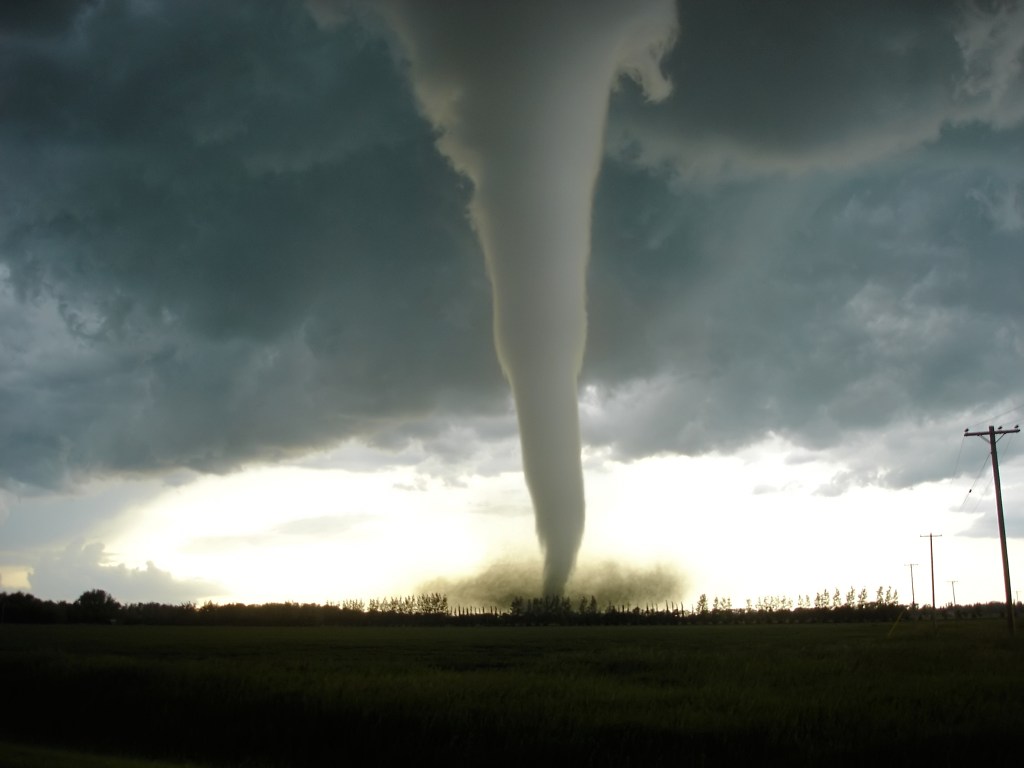
NWS sends out just over 50,000 warnings a year across the country (Erdman 2022) to protect the public from damage that Mother Nature can cause. These warnings and messages only work if the reader can understand the message. If someone doesn’t understand what is happening right now, how are they supposed to take shelter and make informed decisions on what to do next? Sharing these warnings with millions of people across the country is a difficult job, which is why it is so important that we can build these messages so that everyone can understand the dangers and take proper action. It starts with understanding how people interpret these messages and why they interpret them that way.
This is one of the biggest questions asked in the meteorology world, and a lot of research goes into how we can improve these messages. With my research, I am looking into how people’s experience with severe weather messages affects their understanding of messages and the official weather jargon used. The language in these messages is very technical and can have very specific definitions, which, to someone who hasn’t been exposed to them, can be very confusing about what is being said. Let’s say someone from the West Coast is making a cross-country trip and driving through Oklahoma in the middle of tornado season. Since the West Coast rarely sees any tornadoes, this person has little to no experience with them; getting a tornado warning could leave them in a panic. Now think the other direction: imagine someone who lives in Oklahoma and is used to seeing these warnings daily during the summer. Since they are used to these messages, they should understand what is being said, or do they? Researchers are worried about what they call “warning fatigue,” where too many warnings and alerts could change how they read the message. Hondula et al. (2022) believe that it can be just as dangerous for a person to misunderstand the warning as to not understand it at all. Something as basic as confusing the meaning of a warning with a watch could lead to harm. (Difference between a Watch, Warning, and Advisory).
One of the ways that past researchers have looked into these questions is by getting the public to respond to a survey. I intend to send out a survey to students and faculty at South Dakota Mines who have come from all over the country, to be “quizzed” on the terminology and meanings behind the statements. These results will allow me to gather statistics and draw conclusions about how people’s experiences with weather can change how well they understand the message.
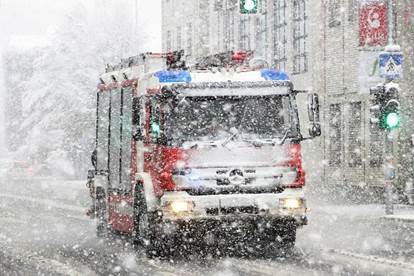
Understanding severe weather warnings don’t just apply to people sitting at home; it has an impact on people in our community who must make important decisions in our community. Firefighters, police, event managers, emergency managers, and even the mayor are making important decisions every day and could be heavily influenced by weather. It’s important that not just the public can understand these messages, but those who make decisions for the community can, too. There are lots of different ways researchers can look at why people think and make decisions from these messages. This is why it is so important to continue studying so communities can remain safe and proactive.
References:
Erdman, J. (2022, March 18). Where the most weather warnings are issued in the U.S. The Weather Channel. https://weather.com/safety/thunderstorms/news/2022-03-18-most-national-weather-service-warnings-us
Hondula, D. M., S. Meltzer, R. C. Balling Jr., and P. Iñiguez, 2022: Spatial analysis of United States National Weather Service excessive heat warnings and heat advisories. Bulletin of the American Meteorological Society, 103, E2017–E2031, https://doi.org/10.1175/BAMS-D- 21-0069.1
Bio:
I am a senior Atmospheric and Environmental Science major, specializing in Meteorology and minoring in Math. I am originally from Taber, Alberta, Canada, and came to South Dakota Mines as it was a place where I could play collegiate golf and get a degree in my passion. My love for meteorology originally came from golf, as I worked at my local golf club and was often designated as the “meteorologist” when severe weather was about to hit. This helped me realize how fascinating forecasting and decision support are. If you don’t find me in the classroom or on the course, you can find me watching football and/or hockey. After graduating in May, I hope to return home and work for Environment Canada as a warning-coordinator meteorologist, or in any job that allows me to have a direct impact on helping the public through my passion for the weather.

