Escaping the Surveillance Dragnet

STS Students

By Dorothy Snowden

Imagine babysitting children when the police bang on the door, guns drawn, to arrest you for allegedly robbing several banks four states away. That is exactly what happened to a Tennessee grandmother, Angela Lipps, in July 2025. Based on a match using facial recognition technology and bank surveillance cameras, police charged Lipps with eight felony counts and extradited her to Fargo, North Dakota, where she was held on a $100,000 bond for months. She was released and the charges were dropped after she produced records proving she had never been to North Dakota. She was in Tennessee at the time the bank thefts occurred. Lipps is suing the Fargo Police Department (Thompson, 2026).

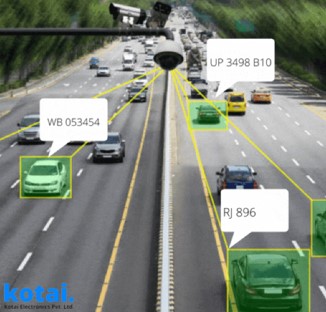
An image of people being highlighted by a facial recognition system.
Facial Recognition – Photo by AlinStock via Adobe Stock, #548085628.

This is just one instance of misidentification and mishandling of facial recognition technology when applied to law enforcement investigations. Similar problems exist with the use of Automatic License Plate Readers (ALPRs), which provide artificial intelligence (AI)-enhanced analysis of vehicles, location, date, time, make, model, and color in real-time databases. For law enforcement agencies, ALPRs can scan thousands of license plates daily, comparing them to “hotlists” of vehicles tied to criminal activity, assisting in recovery of stolen vehicles, and locating criminals or missing persons. Software errors and human misinterpretation of data has led to innocent motorists being pulled over or arrested based on mistaken identity when there is a system “hit” (Alibasic, 2026).
Laws Below the Surface

Environment, STS Students

By Parker Smith

Land rights and mineral rights are a big issue in the mining industry. Mineral rights apply to most solids and liquids beneath the surface of the Earth, like coal, gold, and oil. The distinctions are more complex when you start to look at the laws. Materials like gravel and sand can be mined but are under a “materials” label. Other things are listed under “locatable minerals,” which includes metallic minerals (e.g., gold and silver) and non-metallic minerals (e.g., mica and asbestos). 

Mining companies don’t usually own mineral rights to the land they mine. Depending on how the mineral rights are owned, a mining company has to go through different means to get them. If they’re privately owned, they have to discuss leasing or purchase with the owner. If the government owns them, they can request to mine them out. 

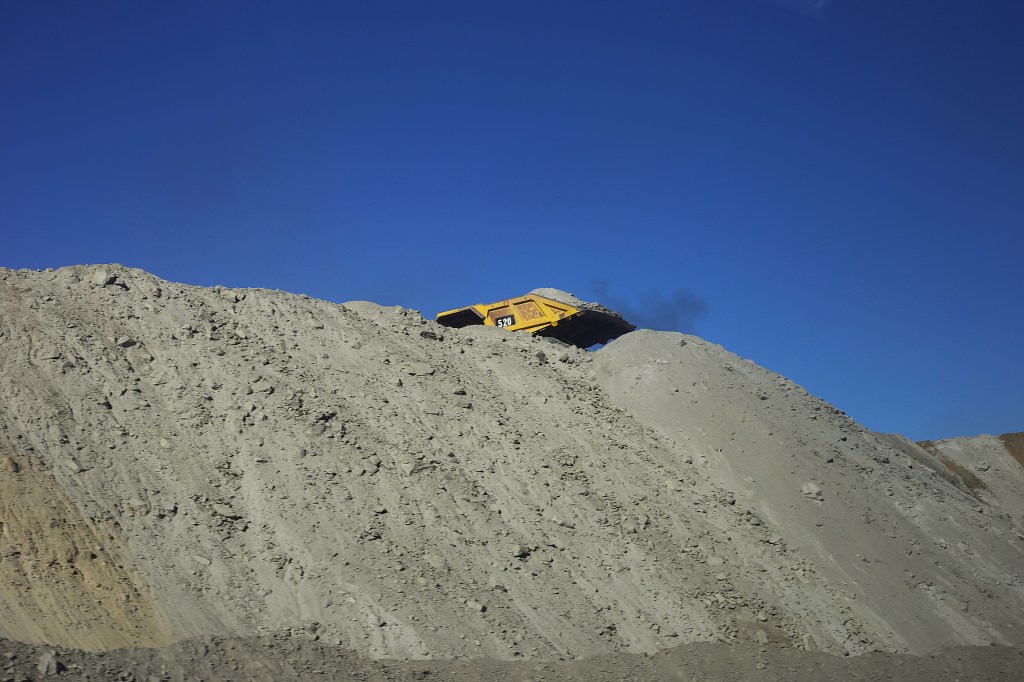
Haul truck dumping overburden. Photo by Parker Smith.

The General Mining Act of 1872 allowed the federal government to give private citizens and companies the “right to locate.” This right isn’t a transfer of mineral rights but instead gives private citizens and companies a right to mine out the materials and use, sell, or modify them. The only updates to this mining legislation have been for workplace safety and minor edits, nothing that would change the structure of mining or the system of claims. 

Claims are sorted into two most common categories: lode claims and placer claims. Lode claims are characterized by their well-defined boundaries including one main mineral, whereas placer claims provide for all the minerals in the area affected by the claim. For example, gravel mines are usually placer claims because they aren’t characterized by one distinct vein. This system is also managed and overseen by two separate government organizations: the US Bureau of Land Management and the US Forest Service. If the leasable minerals are on National Forest Service land, then the two organizations work together to decide if and how to lease them.