What Do You Love About Parks?: STS at the Earth Day Expo

Environment, Events

This past weekend, the STS program set up tables at the Earth Day Expo (held on the campus of Western Dakota Tech here in Rapid City) to share information about STS and ask visitors to think about parks as a piece of nature we regularly interact with.

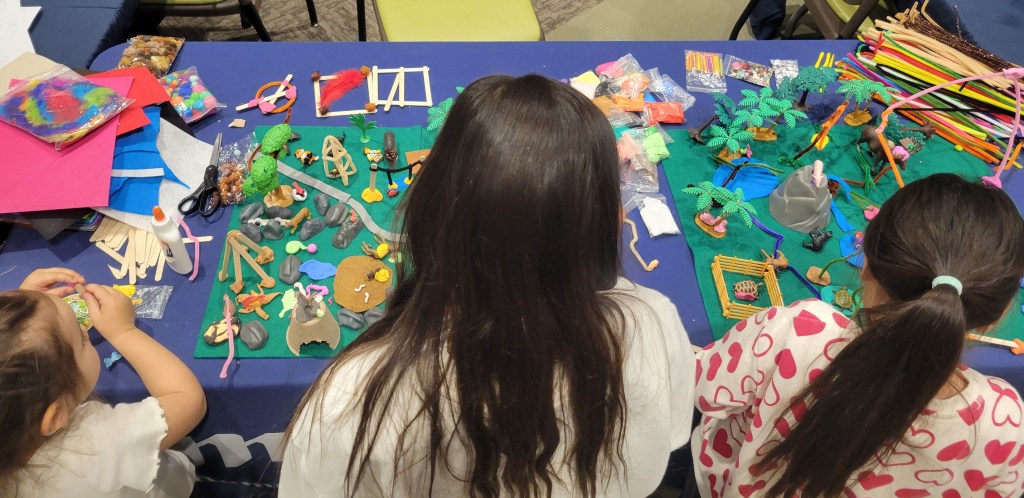
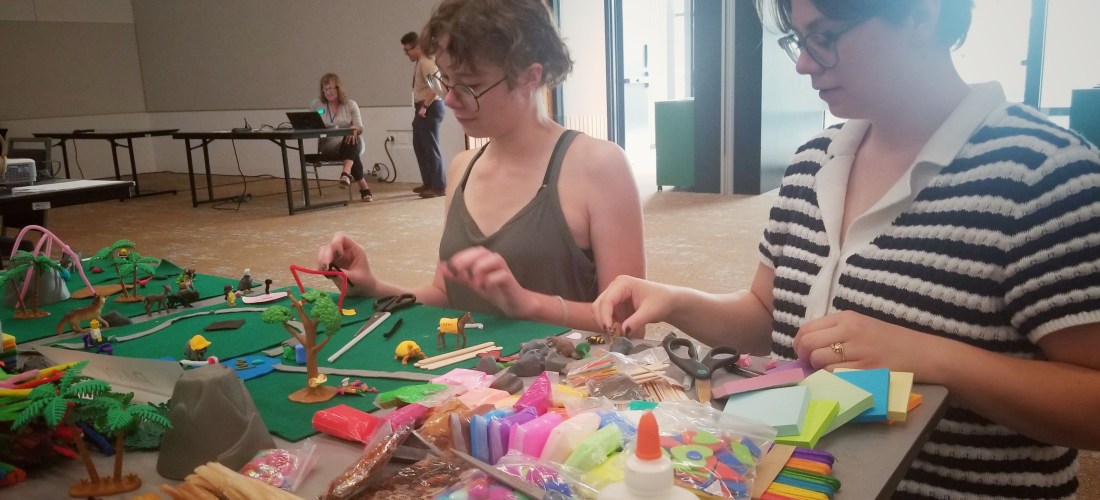
With a whiteboard for sharing ideas in response to the key question – What do you love about parks? – and a table for visitors to build their ideal park, we invited lots of hands-on participation and engagement.

Parks are a great way to practice STS ways of thinking at any age, since they are intersections between natural and social spaces and they are shaped by our technologies as well as our social needs and expectations. Plus, it’s fun to play with toys, felt, and clay!

We hope to be back at the Earth Day Expo again next year!

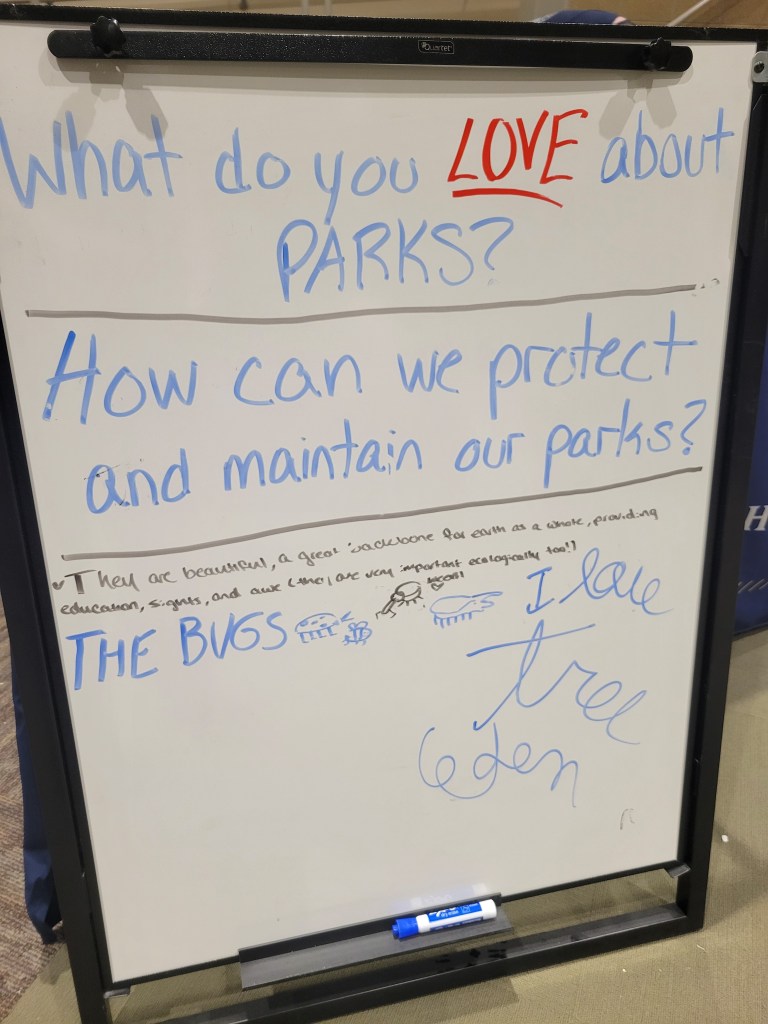
Whiteboard with the question What do you LOVE about parks? at the top. Answers focus on beauty and education, bugs, and trees.
Some of the answers to our question about what we love about parks.
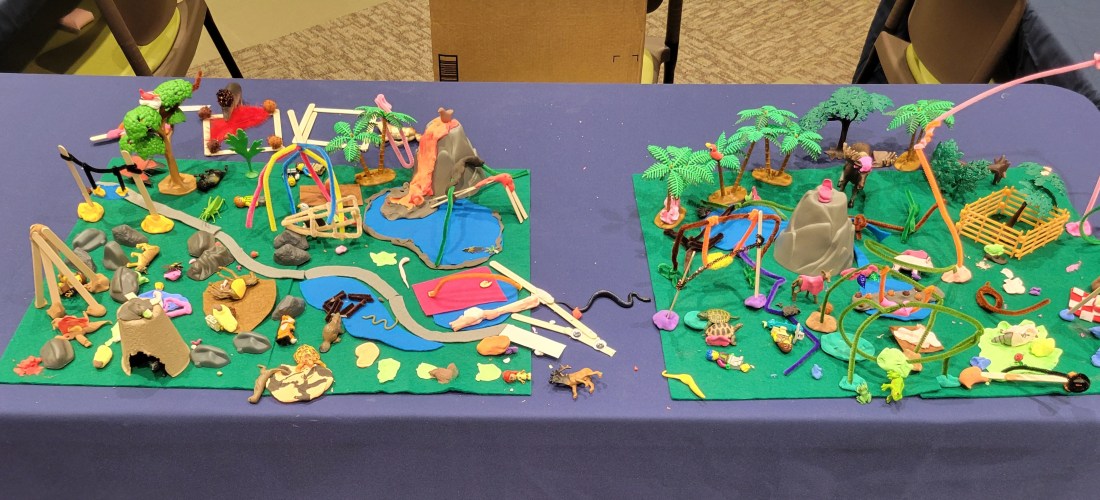
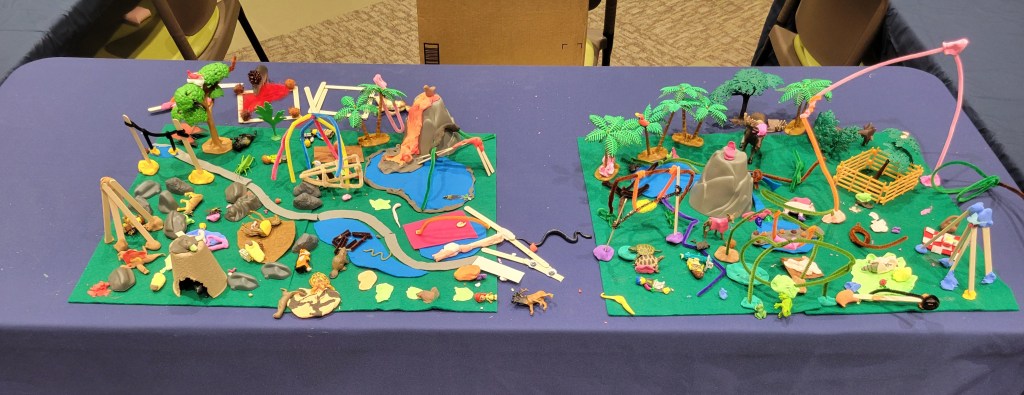
Two green felt park spaces with trees and paths and ponds and animals, etc.
Some very full park designs!
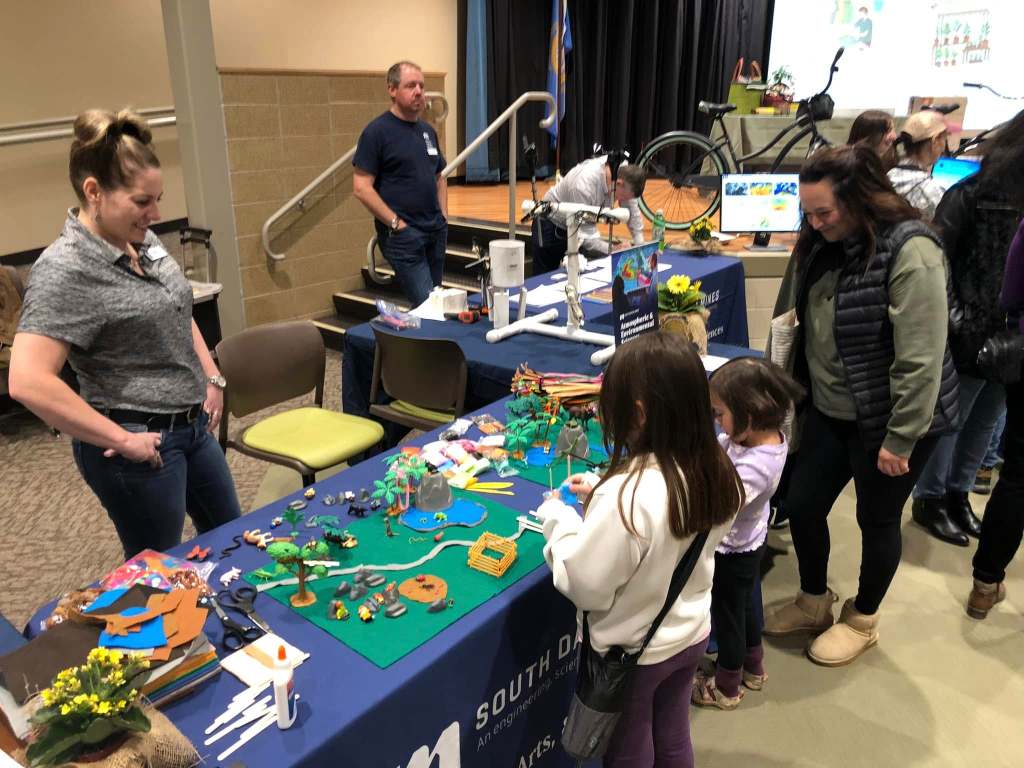
Dr. Pritchard observes children working on park design elements.
Dr. Kayla Pritchard at the table while kids build parts of a park. (Photo credit: Rapid City Municipal Government.)
A few children - seen from behind - working on park elements.
Kids working on park development.

Science communication in the community: Trinity Eco Prayer Park

Classes, communication, Environment

By Erica Haugtvedt

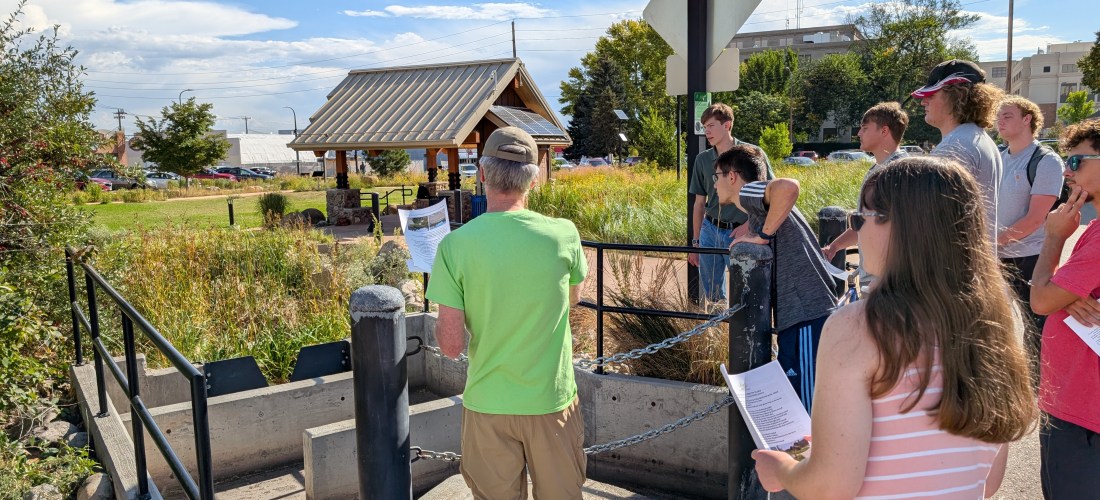
Students in ENGL 289: STEM Communication for Public and Technical Audiences are partnering with Trinity Eco Prayer Park to leverage their science expertise and science communication skills to help the park face real-world problems. Trinity Eco Prayer Park is a private park owned by the Trinity Lutheran Church Foundation that models sustainable stewardship of the environment. The park naturally filters stormwater for 2/3 of its concrete-heavy city block through native plant species that represent five local biomes from the Great Plains and Black Hills.