Reflections on Service Learning Lessons with Trinity Eco Prayer Park in Dr. Haugtvedt’s Fall 2025 STEM Communication for Public and Technical Audiences Course
Mario Dominguez: Restoring a Prairie, One Volunteer Step at a Time
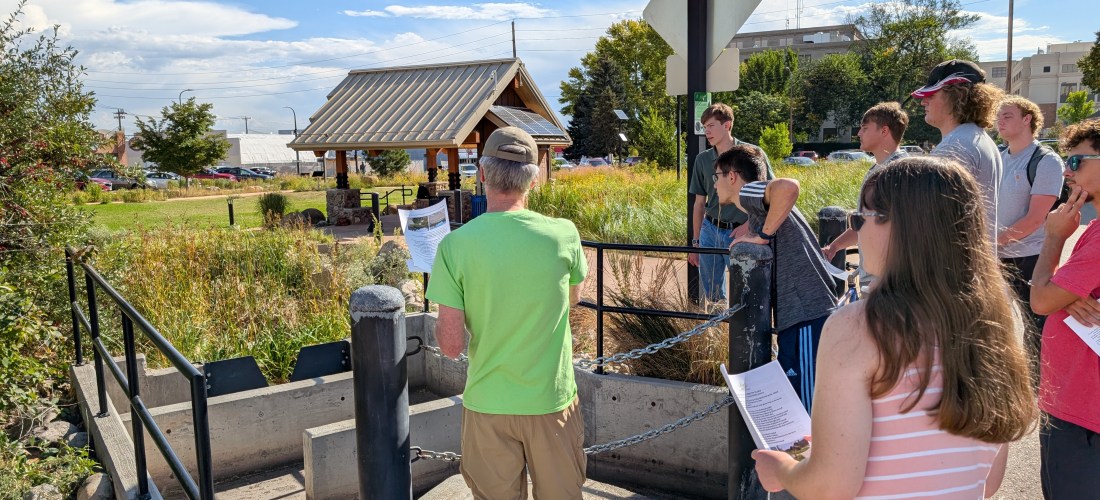
When our class partnered with Trinity Eco Prayer Park this semester, I expected a simple clean-up project. What I discovered instead was a living example of how small ecological changes can ripple through an entire landscape. One of the most striking lessons came from learning how invasive species, especially Canada thistle, can spread quickly and choke out native grasses. These native plants aren’t just background scenery; they anchor soil, trap moisture, and support insects, birds, and even the microorganisms underground. Removing an invasive patch doesn’t just make the park look nicer, it helps restore the natural cycles that keep the prairie healthy.
Our time in the park also revealed how restoration is as much about people as plants. Every volunteer who pulled weeds or cleared debris added visible progress, but they also became connected to the ecosystem they were helping. Science communication often talks about “ecosystem services,” but seeing the concept firsthand–cleaner soil, healthier growth, and a space that brings peace to visitors–made the science feel personal. Trinity Eco Prayer Park isn’t just a project site; it’s a reminder that anyone can make a meaningful impact when they understand the science behind their actions.
By the end of the semester, our team didn’t just complete a service project, we contributed to a small but powerful example of community-driven ecological restoration. And that’s what I hope others see when they visit the park: a place where science, stewardship, and community come together to revive a prairie one season at a time.
Lucas Geiger
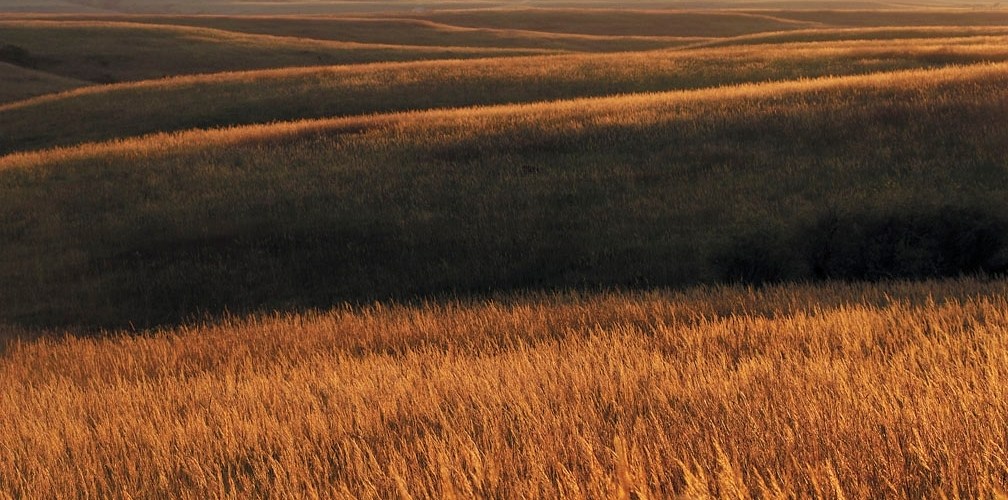
While our team was researching possible alternatives for the Kentucky Bluegrass lawn at Trinity Eco Prayer Park it became clear that the simplest and most sustainable solution could be found right outside of town. We thought that native South Dakota grasses like prairie dropseed, western wheatgrass and buffalo grass are naturally built for the local climate and would be great options for the park’s ideology. In their own ways, they can all handle droughts, bounce back after foot traffic and survive through large temperature swings. Creating a mix of the three seemed like the best option to maximize each species’ strengths and weaknesses. This is contrary to the existing Kentucky Bluegrass which is unable to take care of itself without significant work.
Choosing native grasses for the park isn’t just a design choice, it fits in with the park’s ecological values. These grass species will help improve the existing soil’s health, support the local insect diversity and create a landscape that changes more naturally throughout the year. Our goal for the lawn conversion was to give the park a stronger connection to South Dakota’s natural landscaping by replacing one of the last non-native areas in the park.







 Erica Haugtvedt is Assistant Professor of English in the Humanities department and regularly teaches both HUM 200 (Connections: Humanities and Technology) and HUM 375 (Computers in Society) as part of the Science, Technology, and Society degree program.
 The Novum