Unseen Impacts: Lasting Health Effects on Uranium Miners in Western New Mexico

Atmospheric Science Students, STS Students

By Colin Gholson

In the 1970s, my grandfather lived in western New Mexico, where he worked in the uranium mining industry. He has shared countless stories about his experiences working there. Since working there, he’s faced many health challenges, including losing a kidney to cancer. It was not until after working there that he learned he had developed health issues, likely due to working in poor and unsafe conditions. After learning about his personal experiences, it led me to ask the question of “why has this happened? And to whom else?”
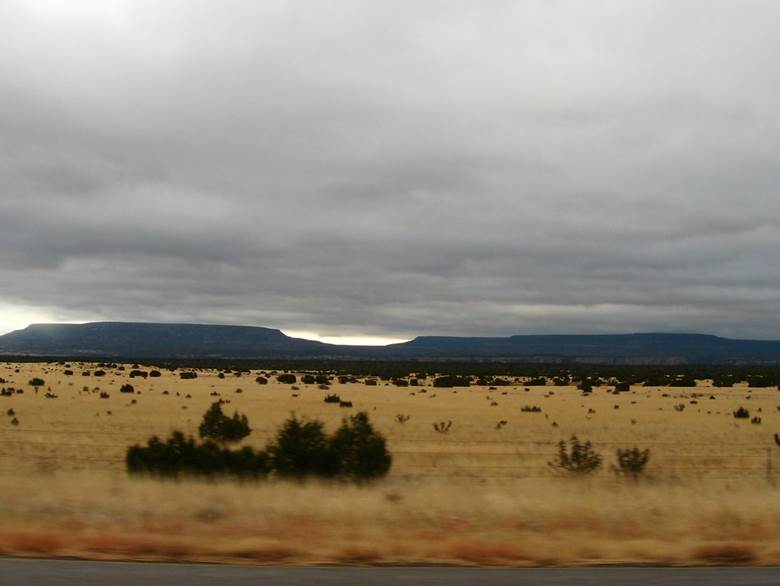
“View of Bluffs and Buttes to the East from S.R. 53 South of Grants, New Mexico” by Ken Lund is licensed under CC BY-SA 2.0. To view a copy of this license, visit https://creativecommons.org/licenses/by-sa/2.0/?ref=openverse.

New Mexico has long been a prime region for mining operations. Western New Mexico lies within the Colorado Plateau, a region that spans the Four Corners states. In the early 1940s, as the United States was in the height of World War II, there was a sharp uptick in uranium production as the federal government had initiated the Manhattan Project. The United States raced to create the key to victory in the war, the Little Boy, which was a uranium-235 atomic bomb that would eventually be dropped on Hiroshima. As part of the Manhattan Project, the United States government created the Atomic Energy Commission, which largely oversaw the production and development of nuclear energy and nuclear weapons, which included uranium mining. (Ringholz & Notarianni, 2006)
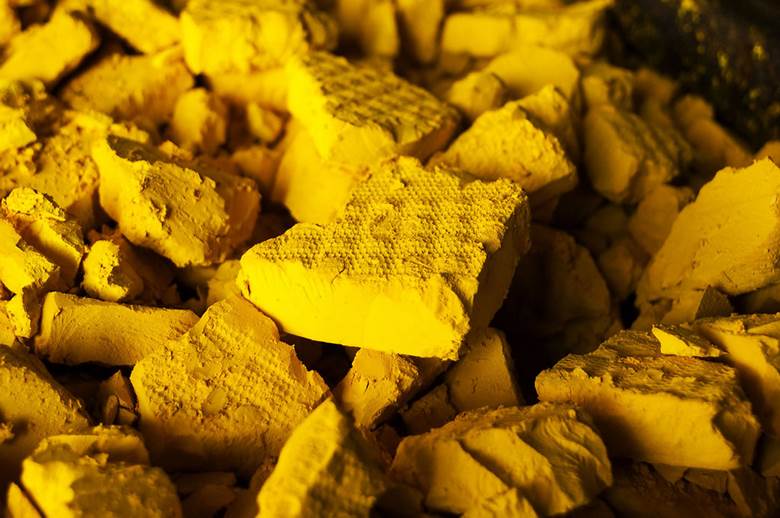
“A photo of yellow cake uranium, a solid form of uranium” by NRCgov is licensed under CC BY 2.0. To view a copy of this license, visit https://creativecommons.org/licenses/by/2.0/?ref=openverse.

In the region where mining operations were taking off at an incredibly fast rate, it was bringing economic opportunity to the area and many members of the Navajo nation began to take up employment opportunities at many of these operations (Ringholz & Notarianni, 2006). In northwest New Mexico, where my grandfather resided, there were many mining operations. Researchers who surveyed the working conditions at these mines were alarmed at the levels of dangerous exposure the miners were experiencing, and began voicing their concerns (Ringholz & Notarianni, 2006).

For example, a notable problematic site was the Church Rock Uranium Mill. This mine was in operation from 1967 until 1982. During its operation, this mill processed around 3.5 million tons of uranium ore. Due to poor practices and the failure of the temporary uranium mills tailings disposal pond, around 1,100 tons of uranium waste and 94 million gallons of radioactive water seeped into the nearby Puerco River (US EPA, 2023). In 1982, the mining site was declared a Superfund Site by the United States Environmental Protection Agency. Yet, to this day, one of the top environmental issues in the region is groundwater contamination.

“Laguna Pueblo, New Mexico, as seen from I-40” by Ken Lund is licensed under CC BY-SA 2.0. To view a copy of this license, visit https://creativecommons.org/licenses/by-sa/2.0/?ref=openverse.

There are many questions which stem from these events. How do we fix these issues? What can we learn from these events? These questions are extremely important to investigate; however, we cannot always plan for the future by looking at past problems. I believe a better way to approach this part of environmental justice would be to ask “how do we hold mining companies accountable?” and “how is justice being served?”

This is why for my senior capstone I will be looking into answering these questions. Many past employees of these mining operations, including members of my own family, have been and are still currently impacted by poor practices. I strongly believe that more research is necessary to promote the health and wellbeing of all individuals impacted by the mining industry.

References

Ringholz, R. C., & Notarianni, P. F. (2006). Uranium Boom. In C. Whitley (Ed.), From the Ground Up: A History of Mining in Utah (pp. 142–165). University Press of Colorado. https://doi.org/10.2307/j.ctt4cgn2r.13

US EPA, R. 09. (2023, August 10). Old Church Rock Mine. Www.epa.gov.


I am a senior at South Dakota Mines studying both Atmospheric & Environmental Sciences and Science, Technology, & Society. I was born and raised in South Dakota. Growing up, I was fascinated with the weather, spending my summers watching thunderstorms roll across the Great Plains. My love for weather pushed me to pursue further education at South Dakota Mines. During my time in school, I have developed a passion for law and policy, which has led me to focus my education on environmental issues. After college, I plan to attend either graduate school or law school. In my free time, I enjoy lifting and running, playing the piano, and hiking. In the spring and summer months, I enjoy a good storm chase, where I continue to be in awe of the thunderstorms in the Great Plains. I also enjoy spending time with my family, as my research project is inspired by the stories I’ve been told over the years.

A large-beaked Dilophosaurus in the foreground, with water and flying creatures in the background.

Reality and Realism in Dinosaur Fiction

Film, STS Students

By Paul Roques

Did you know that the Dilophosaurus wasn’t actually able to spit venom and was about 8 feet tall in real life? I sure didn’t until I was around 14, when I started doing more research on dinosaurs. Growing up, dinosaurs were my biggest passion. The first movie I remember watching was Jurassic Park (1993). Until my freshman year of college, my dream was to be a paleontologist; that’s even how I ended up at South Dakota Mines. However, things changed during the 2nd semester of my freshman year, when that route didn’t really fit me. That’s when I discovered STS through a friend and then later found my passion for the law. However, I felt it would be poetic to bring my studies full circle and do a project on paleontology. Therefore, my project will be an analysis of the ethics behind the misrepresentation of paleontology in science fiction films. I want to research this because of my passion for dinosaurs and how I believe we should all learn to love the current interpretations of dinosaurs versus the monster movie showbiz they are portrayed as.

Restoration of Early Jurassic environment preserved at the SGDS, with the theropod Dilophosaurus wetherilli in bird-like resting pose, demonstrating the manufacture of SGDS.18.T1 resting trace. Heather Kyoht Luterman, CC BY 2.5 https://creativecommons.org/licenses/by/2.5, via Wikimedia Commons.

From the 1960s to the 1990s, interest in dinosaur science increased. This was dubbed the “dinosaur renaissance” by Robert T. Bakker in 1975 (Chambers and McCahey, 2024). This then gave birth to a lot of dinosaur science fiction, the most famous being Jurassic Park. One of the things that these films have done is create a misrepresentation of the science and scientists behind them, such as portraying paleontologists as action heroes and depicting dinosaurs, like the Dilophosaurus, in a way that bears little resemblance to their real-life counterparts. To make the films more interesting, they have to add fictional details that would go against modern science, adding features that were never true. This has gotten to the point that a very select few people (that I have personally seen in comment sections) claim their favourite dinosaur is the Indominus Rex from Jurassic World (2015). For reference, the Indominus Rex was a hybrid of a few existing dinosaurs and does not exist in the scientific world.

Furthermore, there are many areas in the paleontological world where there hasn’t been great communication between scientists and the popular media. As a result, the media has grown to not always be able to distinguish between the speculative side of paleontology versus the factual side. For example, a species called the Troodon was classified as a dinosaur based on a single tooth. This species then got featured in movies and games alike due to its popularity among popculture. However, in 2017, Troodon was no longer seen as a valid species, as there was too little information to go on and too many similarities to other dinosaurs (University of Alberta, 2017). Even though this occurred, the news never reached the media and Troodon is still being used in the media and sold as toys.

Overall, I will be taking a look at prehistoric films to keep the project narrower, as expanding to other media like paleoarts or video games would make it too broad. However, this brings me back to my primary research question: why is the misrepresentation of dinosaur science important? It is important because these films can impact the public understanding of science, lead to an eventual lack of respect for scientific labor and credibility, and change the popular view of paleontology.

References

Chambers, A. C., & McCahey, D. (2024). 1990s dinomania: Public and popular cultures of palaeontology from Jurassic Park to Friends. Interdisciplinary Science Reviews, 49(3–4), 410–423. https://doi.org/10.1177/03080188241233121 

University of Alberta. (2017, August 8). Dino hips discovery unravels species riddle. ScienceDaily. Retrieved October 30, 2025 from www.sciencedaily.com/releases/2017/08/170808145519.html


Paul Roques is a senior Science, Technology, and Society major.

Laws Below the Surface

Environment, STS Students

By Parker Smith

Land rights and mineral rights are a big issue in the mining industry. Mineral rights apply to most solids and liquids beneath the surface of the Earth, like coal, gold, and oil. The distinctions are more complex when you start to look at the laws. Materials like gravel and sand can be mined but are under a “materials” label. Other things are listed under “locatable minerals,” which includes metallic minerals (e.g., gold and silver) and non-metallic minerals (e.g., mica and asbestos). 

Mining companies don’t usually own mineral rights to the land they mine. Depending on how the mineral rights are owned, a mining company has to go through different means to get them. If they’re privately owned, they have to discuss leasing or purchase with the owner. If the government owns them, they can request to mine them out. 

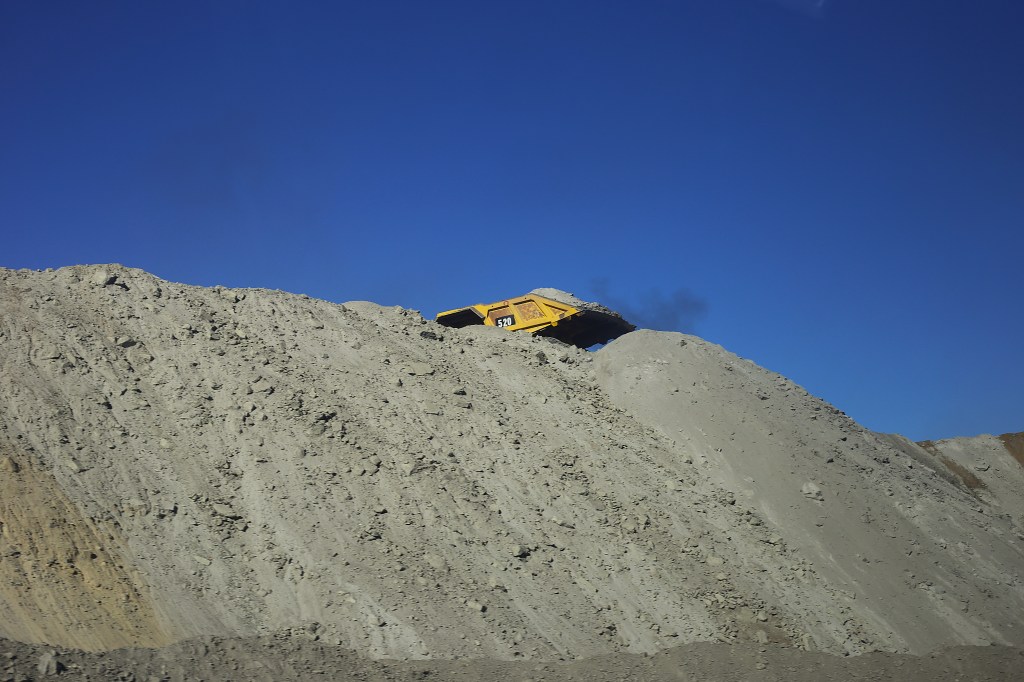
Haul truck dumping overburden. Photo by Parker Smith.

The General Mining Act of 1872 allowed the federal government to give private citizens and companies the “right to locate.” This right isn’t a transfer of mineral rights but instead gives private citizens and companies a right to mine out the materials and use, sell, or modify them. The only updates to this mining legislation have been for workplace safety and minor edits, nothing that would change the structure of mining or the system of claims. 

Claims are sorted into two most common categories: lode claims and placer claims. Lode claims are characterized by their well-defined boundaries including one main mineral, whereas placer claims provide for all the minerals in the area affected by the claim. For example, gravel mines are usually placer claims because they aren’t characterized by one distinct vein. This system is also managed and overseen by two separate government organizations: the US Bureau of Land Management and the US Forest Service. If the leasable minerals are on National Forest Service land, then the two organizations work together to decide if and how to lease them. 

STS Students Bringing Science to the Public

communication, STS Students

Since Science, Technology, and Society (STS) is fundamentally about the intersections between science/technology and people, communicating technical information to broader audiences is a crucial skill. It’s hard to understand the science/technology itself, much less its impact on our lives, when it is only available in specialized spaces or when it is not shared in ways that ordinary people can understand.

With this in mind, two STS students have taken on the position of Public Information Officer (PIO) this semester to work with groups of senior mining engineering students and communicate relevant information to the public. Paul Roques and Parker Smith are each meeting with the mining engineering students, traveling to locations where they’re working, and reporting on what they learn – both about the mining engineering students’ specific projects and about the larger issues that arise around them.

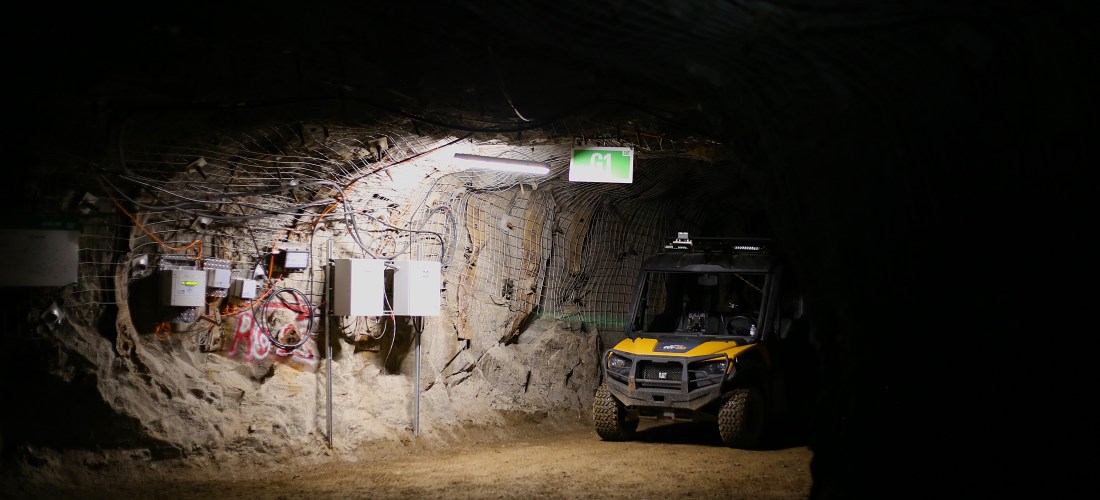
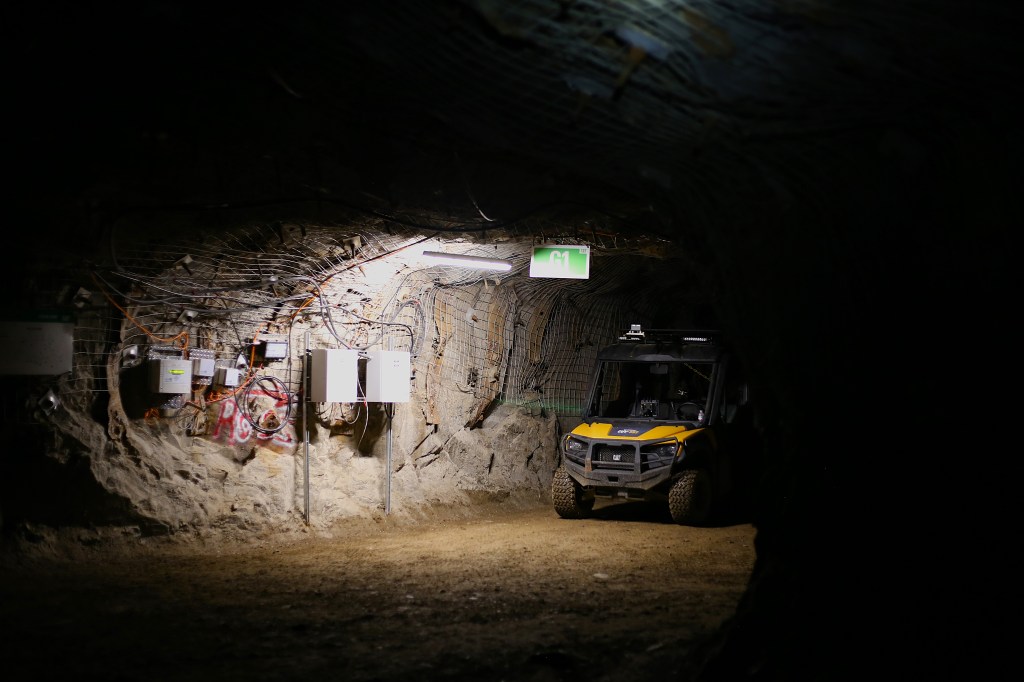
A small vehicle sits in an underground space. A single bright light hangs from the ceiling and illuminates both the vehicle and the electrical wiring on the wall.
Image by Parker Smith.

Recently, for instance, both Parker and Paul wrote about the infrastructure at SURF (Sanford Underground Research Facility), where mining engineering seniors are working on a project. Parker explored what it felt like to go down into the underground facility and the older technologies – like elevators – involved in making that possible, while Paul described not only the project the mining engineering students are involved with (building an underground complex for CAT to test autonomous equipment) but also the questions of what mining costs – both financially and environmentally.

Parker and Paul are doing great work sharing information about these specialized projects with the rest of us through regular posts for STS social media, so you can check out their work on Instagram, Threads, or Facebook!

Alcohol and College Athletics

STS Students

By Sophia Grohs

My capstone will explore the crossroads of alcohol and college athletics. College athletes are unique in that most people will not get the chance to play after high school. At the same time, these athletes consume alcohol, a substance with addictive properties and a deterrent to high performance, at the same levels as their non-athlete peers. With alcohol’s prevalence in the strength and conditioning world, the NSCA (National Strength and Conditioning Association, the leading organization for strength and conditioning) barely mentions alcohol use in their Essentials of Strength and Conditioning (the primary book for certification). Coaches write programs and decisions under the assumptions that athletes are not drinking, but this is a flawed premise. This capstone will address the issue with those assumptions and strive to better inform coaches and athletes on how alcohol impacts athletic performance. I aim to be interdisciplinary in looking at the physiological, psychological, sports performance and social factors that impact athletes and alcohol consumption.  

Logo for the South Dakota Mines weight room, where I am currently an intern.

 In the strength and conditioning community, coaches write programs with the understanding that athletes are recovering within 48–72-hour time frames.  Athletes will often party on the weekends, and coaches can tell when athletes had too much come Monday morning. From a coaching perspective, it is hard to get max effort out of an athlete who is hungover. Because there is a lack of empirical research on the direct performance response to alcohol, there is no system in place to protect athletes from workouts and to guide coaches. At the same time, there has yet to be a longitudinal study that illustrates the impact of drinking and sports performance throughout an athlete’s career. There is no way to definitively tell a senior offensive lineman how much he could have bench pressed if he had not drunk regularly throughout his time in college.

The studies have mixed results about the impacts of drinking and collegiate sports performance. Alcohol and athletic performance can coexist (Steiner et al., 2015), and studies find that the negative consequences of drinking do not deter college students from drinking (Martinez et al., 2014). 72% of college athletes drink out of season (where most strength and conditioning training takes place), and 65% of athletes drink in-season (Mastroleo et al., 2019).  Other studies exclusively tested men or were conducted on rodents and found that drinking impacts muscle fiber but no other measures of performance (Rodrigues et al., 2019). Some studies have found that athletes who drink in moderation are not significantly impacted (Murphy et al., 2013). Research thus far has also found that drinking in moderation preserves athletic performance in comparison to binge drinking (Parr et al., 2014). Preventing college athletes from drinking has had moderate success (Mastroleo, et al., 2019). Most college athletes consume alcohol between Thursday and Saturday, but in-season team restrictions are a viable deterrent for athletes. Coaching and team policy can dictate culture and attitudes toward alcohol.

Mitigating the impacts from drinking cannot be seen as the only solution to improve the lives of student athletes. Coaches should focus on improving their team culture and building healthy relationships with their student athletes and value the holistic health of the athlete. Coaches are in the profession because we see the impact that sports can make. There is an obligation to act in the best interest of the athlete and a moral standard that we as coaches fight to uphold. To best do our job, we need to acknowledge that college athletes consume alcohol and adjust our coaching to that reality.

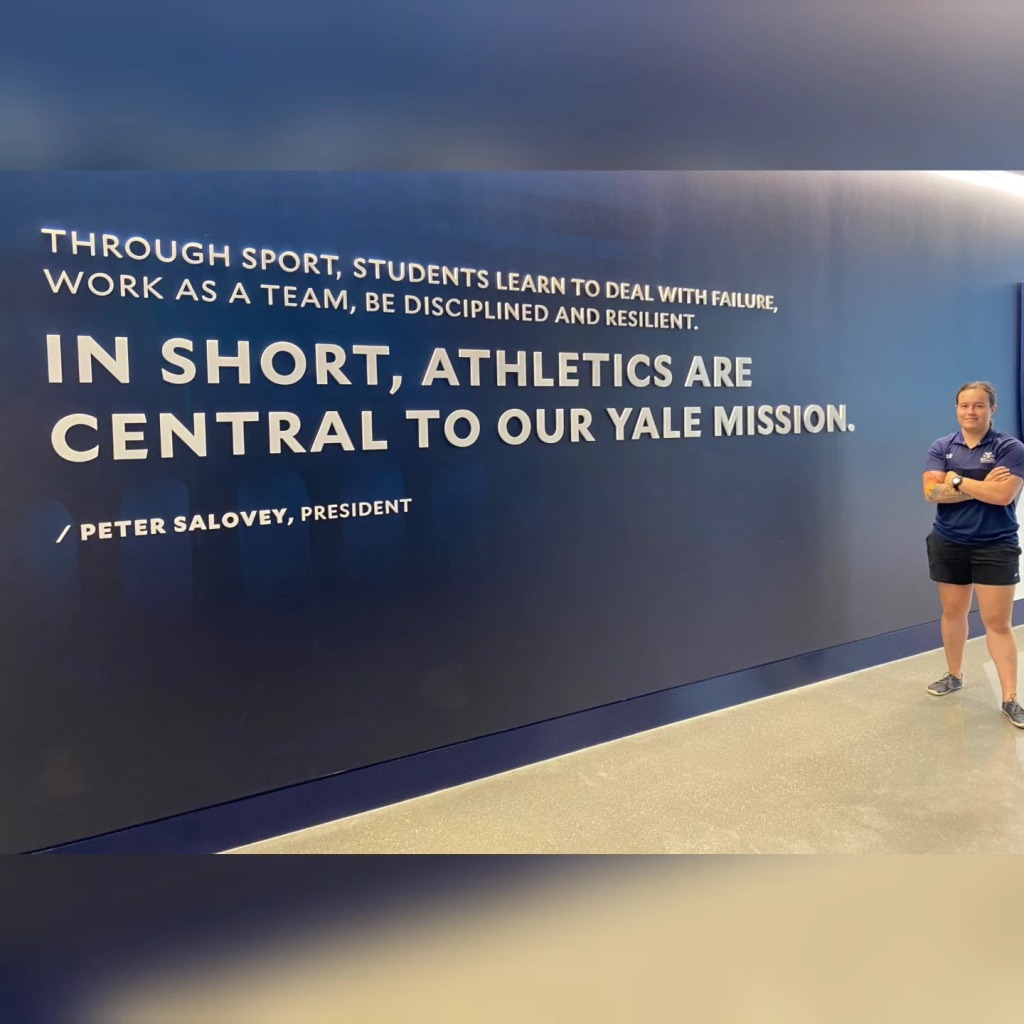
Sophia stands next to writing on a wall: "Through sport, students learn to deal with failure, work as a team, be disciplined and resilient. In short, athletics are central to our Yale mission."

References

Cui, Y., Huang, C., Momma, H., Sugiyama, S., Niu, K., & Nagatomi, R. (2019). The longitudinal association between alcohol consumption and muscle strength: A population-based prospective study. Journal of musculoskeletal & neuronal interactions19(3), 294.

Mastroleo, N. R., Barnett, N. P., & Bowers, K. M. (2019, July). Association between sex, race/ethnicity, season, day of week, and alcohol use and related risks in college student athletes and nonathletes. Journal of American College Health, 67(5), 422-432. Retrieved from https://doi.org/10.1080/07448481.2018.1484367

Murphy, A. P., Snape, A. E., Minett, G. M., Skein, M., & Duffield, R. (2013). The effect of post-match alcohol ingestion on recovery from competitive rugby league matches. The Journal of Strength & Conditioning Research, 27(5), 1304-1312.

Parr, E. B., Camera, D. M., Areta, J. L., Burke, L. M., Phillips, S. M., Hawley, J. A., & Coffey, V. G. (2014). Alcohol ingestion impairs maximal post-exercise rates of myofibrillar protein synthesis following a single bout of concurrent training. PLoS One9(2), e88384

Putukian, M. (2016). The psychological response to injury in student athletes: a narrative review with a focus on mental health. British Journal of Sports Medicine50(3), 145-148.

Steiner, J. L., Gordon, B. S., & Lang, C. H. (2015). Moderate alcohol consumption does not impair overload‐induced muscle hypertrophy and protein synthesis. Physiological reports3(3), e12333.


Sophia Grohs is a Science, Technology, and Society major. After I was medically retired from the Army, I came to Mines dead set on finishing a Civil Engineering Degree and working for the US Army Corps of Engineers. My first in-person class at Mines was Differential Equations. I passed but was miserable. Realizing I didn’t want to be an engineer, I found STS as the fastest path to graduation and a way to figure out what I wanted to do with my life. I am a gym-rat at heart. In Oct 2022, I reached out to Hardrocker Athletic Performance to intern to “test it as a career” and everything else has fallen into place. I passed the CSCS (test to be a college strength and conditioning coach), spent summer ‘23 interning at Yale (i.e.,, the 2023 Ivy League football champs), and will be coaching at Wagner College, a D1 institution in Staten Island, after graduation. Spending the summer at Yale taught me that coaching Strength and Conditioning is a people science and that majoring in STS has prepared me for the demands of the profession. Throughout the interview process I would tell coaches that I can “problem solve like an engineer” and communicate like I majored in social science.

Recidivism and Criminal Justice

STS Students

By Kyle Harris

My potential career interests include the criminal justice or law enforcement field, so I wanted my capstone to related to those particular fields. The topic of my capstone focuses on why the recidivism rates are so high in the United States, as well as what changes can be made in order to lower the recidivism rate. Recidivism is the tendency of a convicted individual to reengage in criminal behavior upon reentering society, resulting in their return to the criminal justice system after serving a previous sentence. Specifically, I will look at how punitive and rehabilitative approaches in the United States prison system can be balanced in a way that will be most effective for society and the prisoners themselves in terms of reintegration back into society.

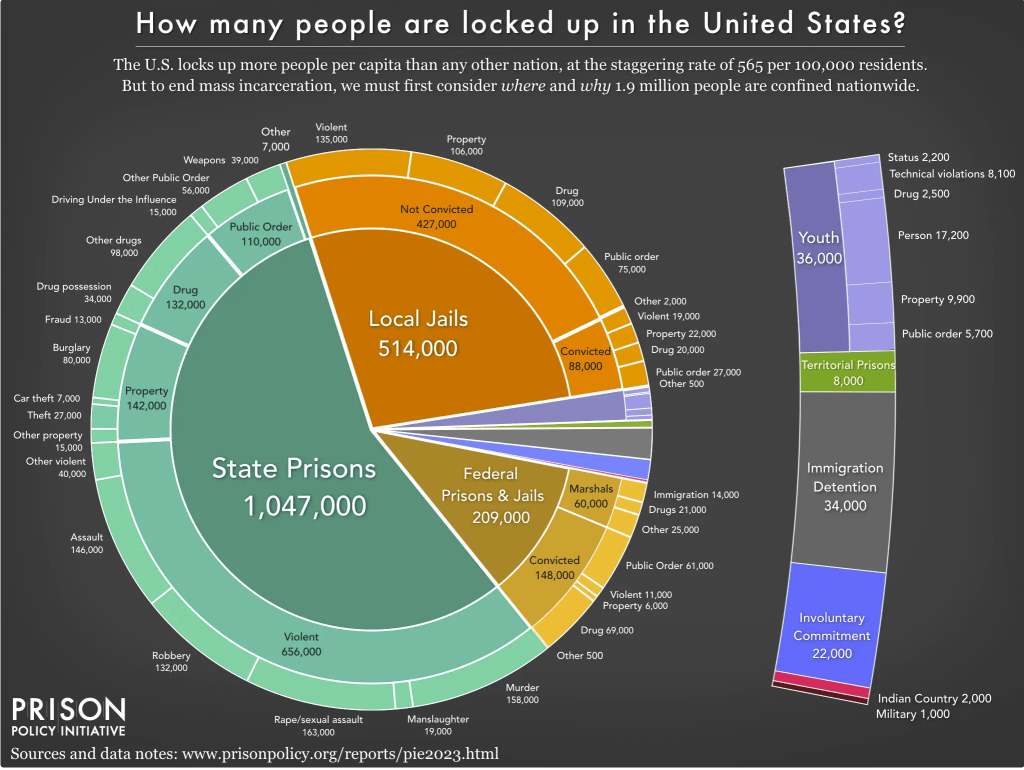
The punitive approach to punishment in prison systems is characterized by a focus on retribution and deterrence. Under this philosophy, the primary goal of incarceration is to punish offenders for their crimes. This approach often involves imposing strict sentences, harsh living conditions, and limited privileges to create an environment that is meant to be punitive and discouraging (Raymond, 1979). Politicians adopted a “tough on crime” approach starting in the 1970s that has resulted in around 2 million Americans that are currently incarcerated and another 3 to 4 million Americans on probation or parole (Sawyer & Wagner, 2023).

The rehabilitative approach to punishment, on the other hand, emphasizes the transformation and reformation of offenders through targeted interventions and programs. Unlike punitive models that focus solely on punishment and deterrence, the rehabilitative approach aims to address the root causes of criminal behavior and equip inmates with the skills and support needed to reintegrate into society successfully. This approach often involves educational programs, vocational training, counseling, and mental health services to help individuals develop the necessary tools to lead law-abiding lives upon release (Forsberg & Douglas 2020). Norway, one of the most prominent nations in the focus of rehabilitation in their prison systems, reported one of the lowest recidivism rates in the world with a rate of 20% (Denny, 2016).

There are many reasons why we should care about working to lower the recidivism rates in America. According to the U.S. Bureau of Justice Statistics report, the recidivism rate for inmates in state prisons was 68% in 2020 (Jackson, 2020). The high recidivism rates in America indicate that the current correctional system may not be adequately addressing the root causes of criminal behavior or providing effective ways of integrating incarcerated individuals back into society. If individuals leave prison without the necessary tools and support to reintegrate into society, they have a high chance of facing challenges that increase the likelihood of returning to criminal activities. High rates of recidivism also place a strain on both federal and state budgets. The average annual cost of incarceration fee for a Federal inmate in a Federal facility was $39,158 (Bureau of Prisons, 2021). The cost of incarcerating individuals is substantial, and when offenders reoffend, it perpetuates a cycle of incarceration, leading to increased financial burdens on the criminal justice system.

While South Dakota, with a recidivism rate of 40.3% over a three year span from 2019-2022 (SD Department of Corrections, 2022), does not have a high rate compared to the rest of the country, seeing these rates go down in our own community would have very positive effects. Ninety-five percent of individuals currently incarcerated in the state of South Dakota will eventually be released. This highlights why it is important that while they are incarcerated, these inmates are provided with the necessary tools needed to become contributing members of society as they are released. The benefits that would be seen from the successful reintegration into society from these inmates would be felt in both the economy and the community as a whole.

My exploration of punitive and rehabilitative approaches in the criminal justice system involves a reflection on the real-world consequences of these methods. I am hoping that my project serves as a call to action, highlighting the ripple effects of high recidivism rates on societal safety, economic resources, and community well-being. There is a need in America for a nuanced and balanced approach to punishment. One that not only holds individuals accountable but also equips them with the tools for successful reintegration into society.

References

Annual Determination of Average Cost of Incarceration Fee (COIF). (2021, September 1). Federal Register. https://www.federalregister.gov/documents/2021/09/01/2021-18800/annual-determination-of-average-cost-of-incarceration-fee-coif.

Denny, Meagan (2016) “Norway’s prison system: Investigating recidivism and reintegration,” Bridges: A Journal of Student Research, 10 (10).

External data brief: Adult recidivism. (2023, March). South Dakota Department of Corrections. https://doc.sd.gov/documents/Data%20Brief%202.E%20Adult%20Recidivism.pdf.

Forsberg, L., & Douglas, T. (2022). What is criminal rehabilitation?. Criminal law and philosophy16(1), 103–126. https://doi.org/10.1007/s11572-020-09547-4.

Jackson, L. (2020). Prison is not for punishment. Aba Journal106(1), 9–10.

Raymond, F. B. (1979). Reasons we punish. Journal of Humanics, 7(2), 65–78.

Sawyer, W., & Wagner, P. (2023). Mass incarceration: The whole pie 2023. Prison Policy Initiative. https://www.prisonpolicy.org/reports/pie2023.html


Kyle Harris is a Science, Technology, & Society major. I am on the basketball team, and some of my hobbies include hanging out with friends and watching movies. The reason I chose STS as my major is due to the flexibility it has in career paths. Upon graduation, I plan on either going to graduate school for counselling or entering the criminal justice and/or law enforcement field.

Reef Revival

STS Students

By Keaton Gray

I had a really hard time narrowing down a topic for my capstone. I wanted to research so many things, and as soon as I got into research on a topic I’d learn about a whole other aspect and want to switch my project. I decided to focus my capstone on reef restoration because of my obsession with their beauty, but also because they are under immediate threat due to anthropocentric (i.e., human-caused) problems like climate change and pollution. Additionally, I have seen the negative effects of coral bleaching firsthand on the reefs surrounding the Big Island of Hawaii, and seeing it just makes your heart hurt!   

Restoration involves targeted efforts to repair or enhance damaged reef ecosystems. This process typically includes coral propagation and transplantation but also entails assisted evolution and assisted larvae dispersal (Boström-Einarsson et al 2020). My research focuses on two questions: 1) What are the most effective and sustainable methods for restoring coral reefs to promote reef resilience and 2) How can these strategies be applied in different coastal environments to maximize coastal protection and positively impact local communities? 

Sins of the Father: DACA and United States Immigration

STS Students

by Michael Moore

Are the sins of the father the responsibility of the son? This is one of the many questions President Barack Obama was challenged with when creating the controversial policy DACA. DACA (Deferred Action for Childhood Arrivals) is a policy that has garnered a vast amount of criticism and controversy. Recently, the topic has been under increased scrutiny with a Texas judge declaring the policy to be unconstitutional. What I want to explore specifically in my capstone is how DACA has impacted the United States and other countries legally, socially, and culturally and whether this impact has been beneficial to the American people.

However, before examining the former president’s decision, a little bit of background on the border itself is necessary. Prior to the 1990s border security was relatively uncontrolled and immigrants from Mexico and South American countries could virtually just walk across the border without much fear of being stopped (Guerette, 2005). This lack of border security was simply not maintainable, which led to the increase in security during the 1990s (Guerette, 2005). This security included an increase in agents along the border, an increase in surveillance along the border, and the creation of physical barriers such as walls. While this made a more secure border, it also had some unintended consequences that have become critical factors in the current border situation. First, the increased security led to illegal immigrants heavily relying on smuggling to enter the U.S., which led to a shift in the mission of border security (Guerette, 2005). Currently, smuggling is considered a greater issue than immigration. Second, increased security has led to migrants choosing more dangerous methods in order to cross the border (smuggling included), which has unfortunately resulted in an increase in deaths along the border. This has led to the border patrol adopting an increasingly medical and humanitarian role, as they now are far more focused on the prevention of migrant death and application aid to injured and at-risk immigrants.

Is AI Coming for Your Job?

STS Students

By Maggie O’Connor

AI is technology that simulates human intelligence and possesses the ability to evolve based on its designated purpose. In the hospitality industry (including tourism, hotels, and restaurants), the use of AI is on the rise because of the greater efficiency compared to human employees. Artificial intelligence can’t steal from the cash register, doesn’t take sick days, and won’t leave a manager short-staffed. Business owners are interested in the switch to AI “employees” because they significantly save on labor costs, can communicate in every language, and perform menial tasks which allows for human employees to work larger tasks.

Thunderstruck: Predicting Dry Thunderstorms

Atmospheric Science Students

By Markus Sonnenfeld

I became increasingly intrigued by wildfires in the western U.S given how crazy the 2020 season was. I have family in both Nevada and California, and the effects of that fire season still have impacts on them today. What I didn’t know at the time was that dry thunderstorms, which produce dry lightning, are a major cause for wildfires in the U.S. A recent example is the August Complex fire in 2020, which burnt about 470,000 acres alone in California, making it the state’s largest wildfire ever. It was created when dry lightning sparked multiple smaller fires that grew into a larger complex of fires. The average cost of fighting wildfires is $1 billion annually with millions of dollars in property loss as well (National Interagency Coordination Center (NICC),ND).

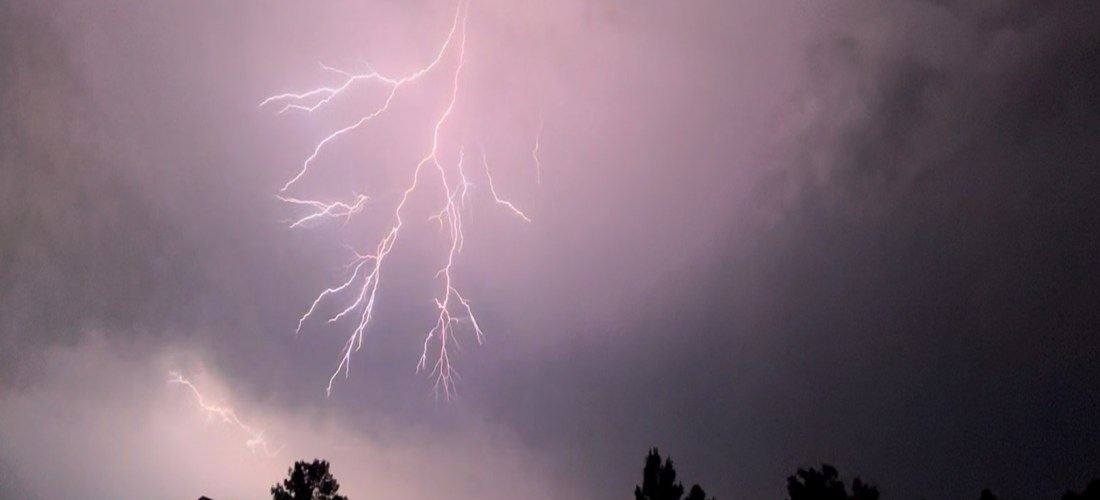
Sunday Gulch in Custer, SD. May 5, 2023. Photo by Markus Sonnenfeld.