Service Learning at Trinity Eco Prayer Park III: Choosing Native Grasses

Classes, communication

Reflections on Service Learning Lessons with Trinity Eco Prayer Park in Dr. Haugtvedt’s Fall 2025 STEM Communication for Public and Technical Audiences Course

Mario Dominguez: Restoring a Prairie, One Volunteer Step at a Time

When our class partnered with Trinity Eco Prayer Park this semester, I expected a simple clean-up project. What I discovered instead was a living example of how small ecological changes can ripple through an entire landscape. One of the most striking lessons came from learning how invasive species, especially Canada thistle, can spread quickly and choke out native grasses. These native plants aren’t just background scenery; they anchor soil, trap moisture, and support insects, birds, and even the microorganisms underground. Removing an invasive patch doesn’t just make the park look nicer, it helps restore the natural cycles that keep the prairie healthy.

Our time in the park also revealed how restoration is as much about people as plants. Every volunteer who pulled weeds or cleared debris added visible progress, but they also became connected to the ecosystem they were helping. Science communication often talks about “ecosystem services,” but seeing the concept firsthand–cleaner soil, healthier growth, and a space that brings peace to visitors–made the science feel personal. Trinity Eco Prayer Park isn’t just a project site; it’s a reminder that anyone can make a meaningful impact when they understand the science behind their actions.

By the end of the semester, our team didn’t just complete a service project, we contributed to a small but powerful example of community-driven ecological restoration. And that’s what I hope others see when they visit the park: a place where science, stewardship, and community come together to revive a prairie one season at a time.

Lucas Geiger

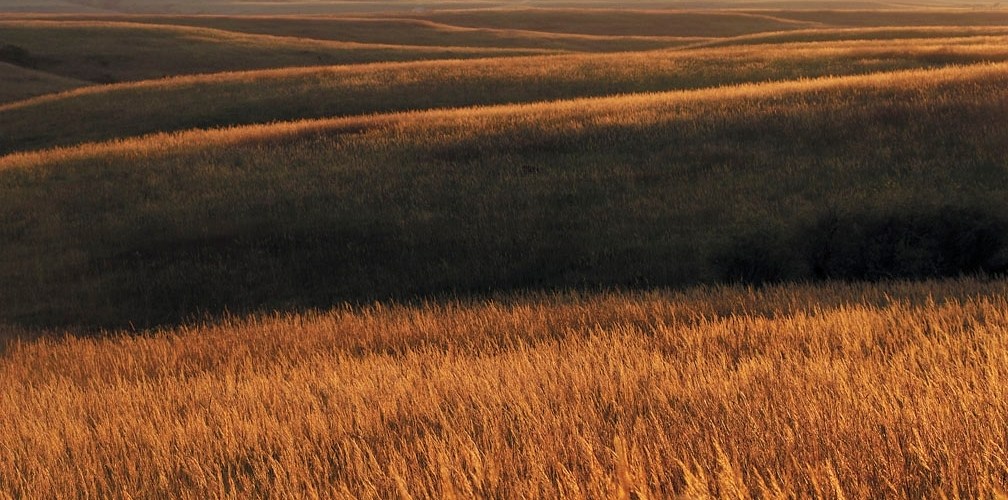
While our team was researching possible alternatives for the Kentucky Bluegrass lawn at Trinity Eco Prayer Park it became clear that the simplest and most sustainable solution could be found right outside of town. We thought that native South Dakota grasses like prairie dropseed, western wheatgrass and buffalo grass are naturally built for the local climate and would be great options for the park’s ideology. In their own ways, they can all handle droughts, bounce back after foot traffic and survive through large temperature swings. Creating a mix of the three seemed like the best option to maximize each species’ strengths and weaknesses. This is contrary to the existing Kentucky Bluegrass which is unable to take care of itself without significant work.

Choosing native grasses for the park isn’t just a design choice, it fits in with the park’s ecological values. These grass species will help improve the existing soil’s health, support the local insect diversity and create a landscape that changes more naturally throughout the year. Our goal for the lawn conversion was to give the park a stronger connection to South Dakota’s natural landscaping by replacing one of the last non-native areas in the park.
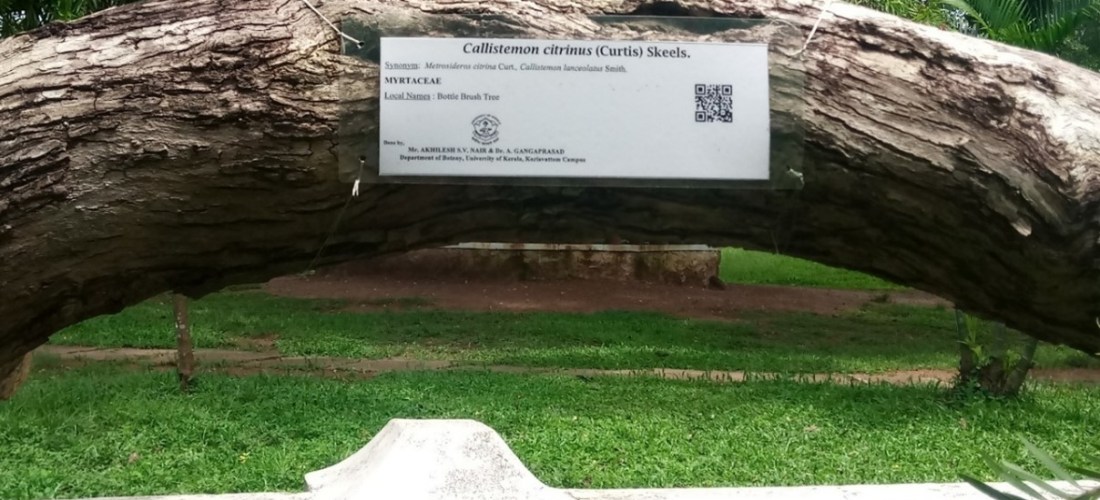
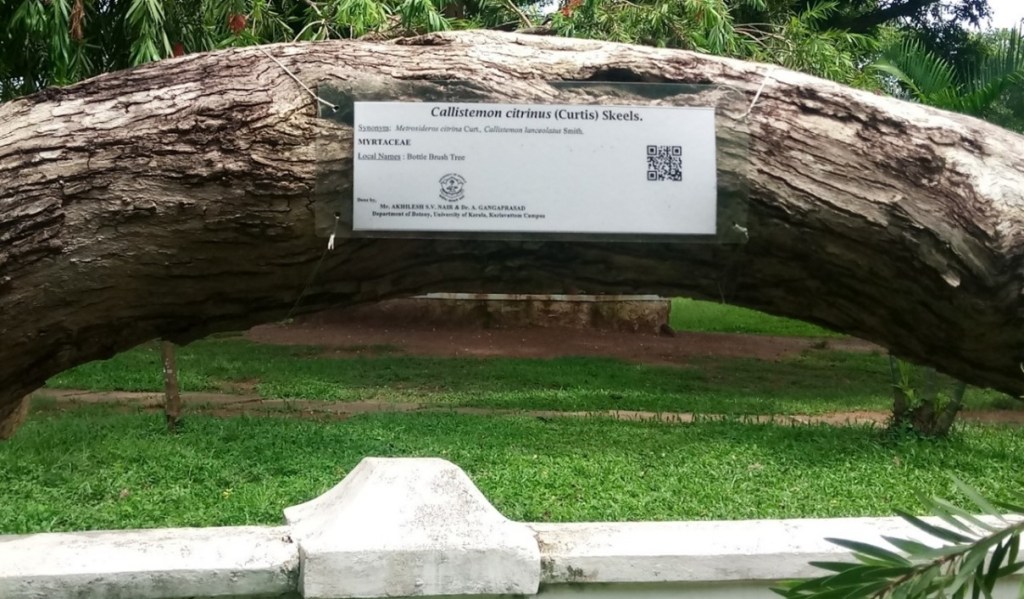
Park sign featuring QR code.

Service Learning at Trinity Eco Prayer Park II: Installing QR Codes

Classes, communication

Reflections on Service Learning Lessons with Trinity Eco Prayer Park in Dr. Haugtvedt’s Fall 2025 STEM Communication for Public and Technical Audiences Course

Josiah Gibbs

When I first walked into room 206W in the Classroom Building, I was expecting a typical English class. I was not expecting Professor Haugtvedt to outline our main project for the semester as a real-world research project for Trinity Eco Prayer Park in Rapid City, a nonprofit organization. We would not be assigned a prompt. Instead, we would be forming groups and researching problems the park faced, writing first a project proposal, then a recommendation report, then presenting our findings in person to the Board of Trinity Eco Prayer Park.

English assignment? This was more like a senior design project.

I was suddenly excited. When my team of five chose to research how Trinity Eco could install QR codes in the park, I knew our research would impact the Rapid City community. I also knew that, because this was a real client, the project would prepare me for communicating outside of a college environment. Often, classes are a little too “safe” – isolated from industry – but this class was industry.

QR Code Used as a Plant Label at Kanakakkunnu Palace. Photo: ASV Nair, CC BY-SA 4.0 <https://creativecommons.org/licenses/by-sa/4.0&gt;, via Wikimedia Commons.

Our team had a picture of Trinity Eco’s future – we wanted to research ways to install QR codes. In a normal project, that would be the end of it, but here we had to communicate with our client and make sure our vision lined up with theirs. Part of my role was to talk to the park’s director, Ken Steinken, to clarify our budget and make sure our plans would match Trinity Eco’s own picture of the park’s future. And, with five team members, we had to communicate among ourselves as well. Everyone needed to know their role and communicate their progress to the group. This was all besides our main communication with Trinity Eco: the proposal and the report we were writing. To make a real impact, we had to be able to share information on multiple fronts. The same will be true in a career. With this project behind me, though, I know I can communicate on that level. When I stood in front of Trinity Eco’s Board with my team, describing our plans for QR code installation, I realized we had succeeded – the Board understood our research, and they resonated with it. I’m taking that confidence with me into the future. After this project, I know I can communicate.

Laptop on the grass in a park

Service Learning at Trinity Eco Prayer Park I: Improving the Website

Classes, communication

Reflections on Service Learning Lessons with Trinity Eco Prayer Park in Dr. Haugtvedt’s Fall 2025 STEM Communication for Public and Technical Audiences Course

Krista Burkman

Service learning is beneficial in many ways, from learning more about a local organization to seeing the impact one person or a group of people can have on a community. The project we completed in Dr. Haugtvedt’s Fall 2025 ENGL 289 does just this. Through working to help the Trinity Eco Prayer Park find potential solutions to one of their problems, I learned how a person or a group of people can have a larger impact on the community than I previously thought.

One of the issues the park is currently facing is finding ways to utilize its website to show off all the park has to offer and recruit donors. I spent time reading articles to learn more about the different audiences the park would like to reach and the content each audience prefers. After compiling all my newfound information, I was able to compose a recommendation for the park board. This included several options for creating strong and effective content for their website, which can also be used on social media platforms if the park were to utilize them.

Even though this may seem like something small, this will help the park improve its website and be more well-rounded when trying to create content to entice viewers. This also helps them gain donors, which then helps the broader Rapid City community. The park may have the funds to continue doing upkeep, general maintenance, and taking on new projects to update or improve the park. The park board’s mission is to bring together people in Rapid City. By maintaining the park and creating a safe environment for residents and visitors of Rapid City, they continue to bring people together and strengthen the community.

Zinefest: World-Making, Creativity, & Technology

Apex Gallery, Arts, Classes, communication, Events, Humanities

By Christy Tidwell

“[Zines] are practices of ‘poetic world-making’—poetic not in the sense of a poem on the page (although they can be this too),
but in the sense of poesis: the process of creating something that did not exist before.” 
– Gwen Allen

The classes I teach create communities. Students get to know each other as they learn the course material, and they share ideas and work with each other. This is a form of world-making, even if temporary, and I love this about my classes. But I don’t want the connections and sharing to stop at the classroom door or to be forgotten when the semester ends. The goal is for my students to connect what they’re learning in class with the rest of the world, to share what they’ve learned with others, to hear what others have learned, and to join and build other communities.

Finding ways to do this can be challenging, but it’s not impossible.

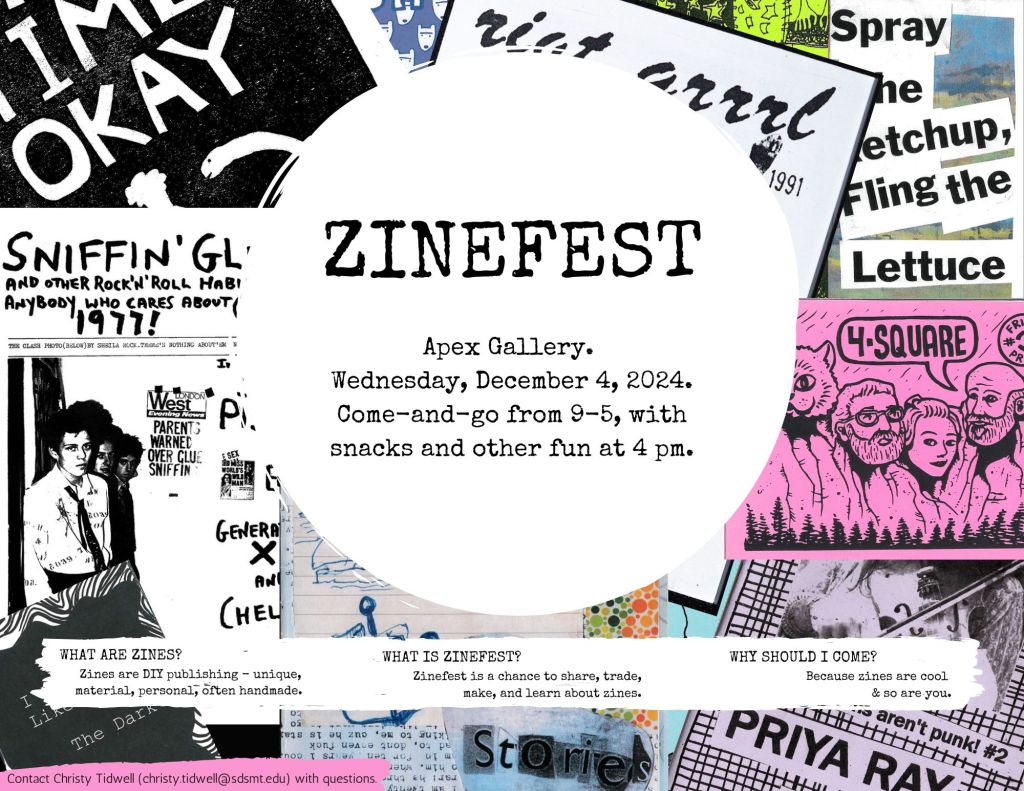
This semester, as a way for students to connect across classes and share work with broader audiences, a few of us in the Humanities, Arts, and Social Sciences department (myself, Matt Whitehead, Evan Thomas, Erica Haugtvedt, and Mary Witlacil) put on a series of zinemaking events that culminated in a Zinefest in the Apex Gallery on December 4th. Zinefest was an all-day come-and-go event that displayed the zines students made in classes (and, in a few cases, just for fun!), provided some examples of interesting zines made by others, and gave visitors a chance to make their own zines. (If you missed it this year, watch out for another event next year!)

This event let students share some of what they have learned this semester, giving them a broader audience, and it also connected them to students in other classes and to the audiences who came to Zinefest. While I did not count the number of visitors during Zinefest, the gallery filled several times and was rarely empty. Some people walked through relatively quickly and took in only a few zines; others stayed for quite a while, standing and reading multiple zines before finally deciding on some they wanted to keep. One student – who will remain nameless for obvious reasons – wrote in a reflection afterward, “I spent almost 2 hours there and accidentally missed class, so I would say I had a good time.” Although I would (of course) never encourage a student to miss class, this indicates that Zinefest offered this student something meaningful.

Because most students were asked to bring multiple copies of their zines, visitors could take a copy of one if they were particularly interested in its ideas or really loved it. Hopefully, they will re-read any zines they took, remember the event, and maybe even be inspired to make their own! Leaving with a material artifact helps the experience and community created through this event extend past Zinefest itself.

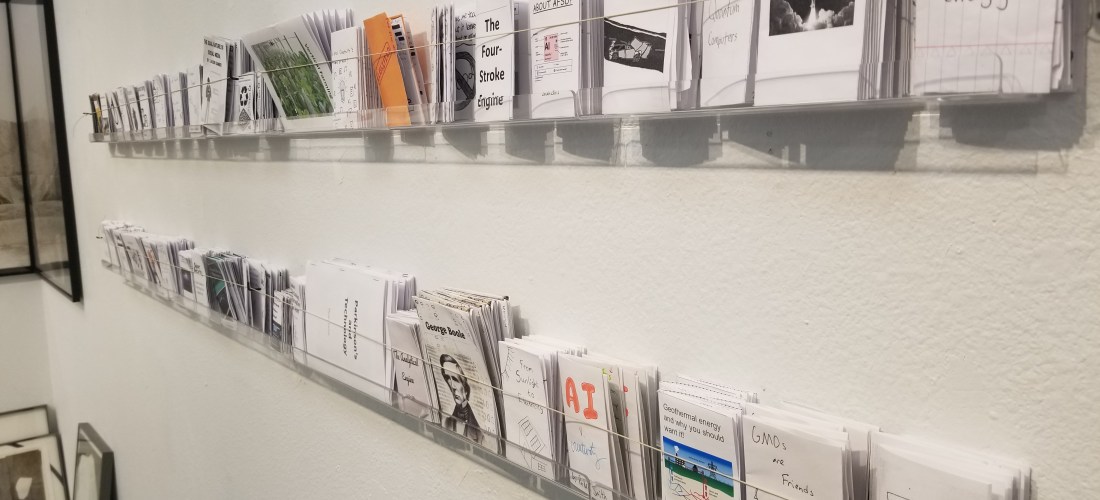
Two rows of zines displayed on the wall, with a handwritten sign above them: See a zine you like? Feel free to take it. Just don't take the last one! Thanks for stopping by.
Student zines on display with an invitation to take a zine.

As an event, Zinefest promoted connections and community; as a practice, making zines (even without an event like Zinefest) provides us all with an opportunity to create something new – to engage in world-making – and to share that something with others, without requiring elaborate technology or infrastructure, refined skills, or many resources. Anyone can make a zine, and that’s what’s so beautiful about them.

STS Students Bringing Science to the Public

communication, STS Students

Since Science, Technology, and Society (STS) is fundamentally about the intersections between science/technology and people, communicating technical information to broader audiences is a crucial skill. It’s hard to understand the science/technology itself, much less its impact on our lives, when it is only available in specialized spaces or when it is not shared in ways that ordinary people can understand.

With this in mind, two STS students have taken on the position of Public Information Officer (PIO) this semester to work with groups of senior mining engineering students and communicate relevant information to the public. Paul Roques and Parker Smith are each meeting with the mining engineering students, traveling to locations where they’re working, and reporting on what they learn – both about the mining engineering students’ specific projects and about the larger issues that arise around them.

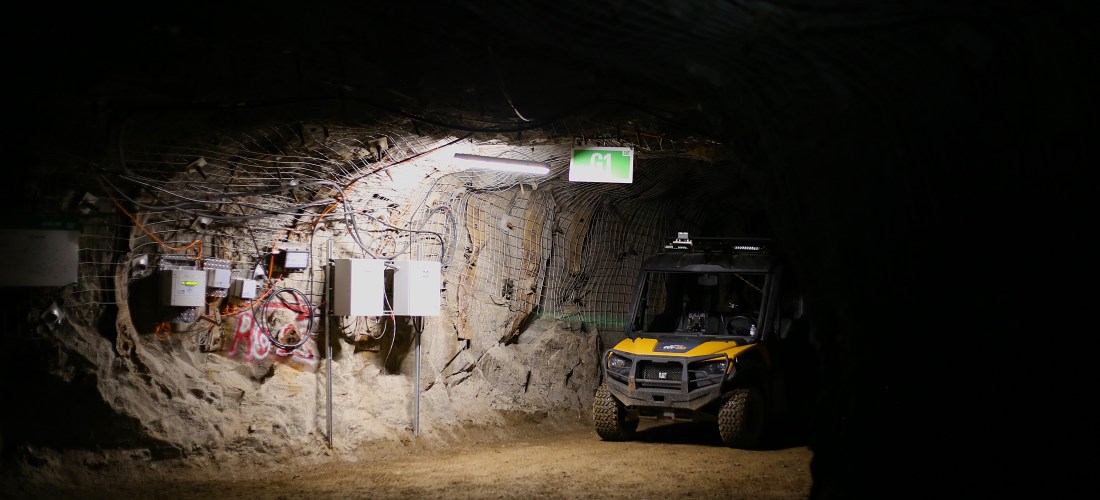
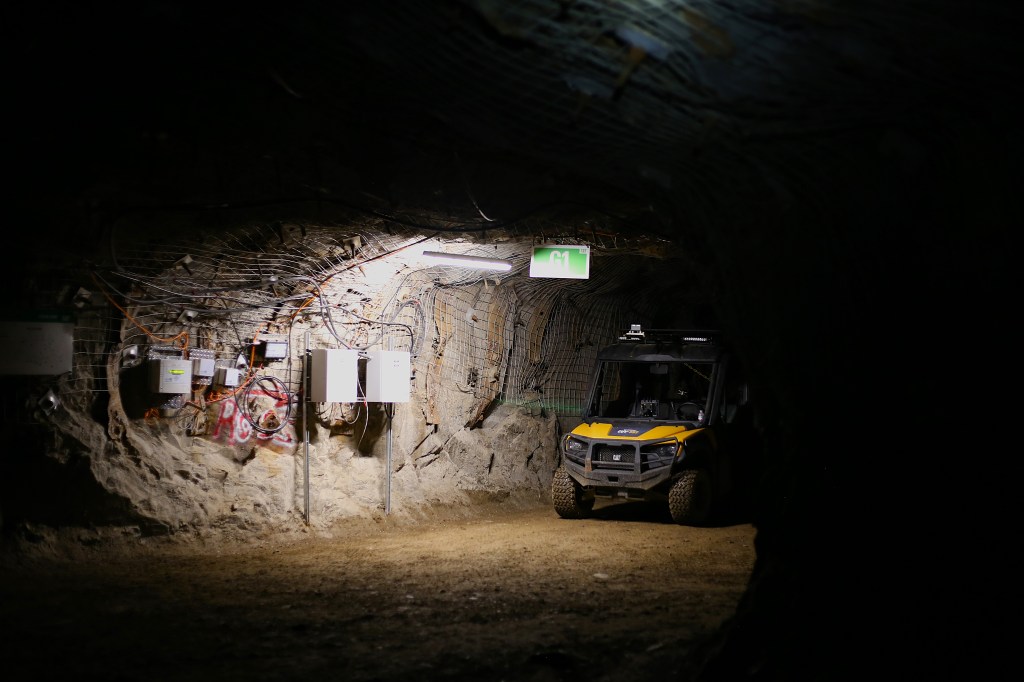
A small vehicle sits in an underground space. A single bright light hangs from the ceiling and illuminates both the vehicle and the electrical wiring on the wall.
Image by Parker Smith.

Recently, for instance, both Parker and Paul wrote about the infrastructure at SURF (Sanford Underground Research Facility), where mining engineering seniors are working on a project. Parker explored what it felt like to go down into the underground facility and the older technologies – like elevators – involved in making that possible, while Paul described not only the project the mining engineering students are involved with (building an underground complex for CAT to test autonomous equipment) but also the questions of what mining costs – both financially and environmentally.

Parker and Paul are doing great work sharing information about these specialized projects with the rest of us through regular posts for STS social media, so you can check out their work on Instagram, Threads, or Facebook!

Technologies of Communication: STS Faculty Reflect

communication, Technology

This is the beginning of a short series in which several STS faculty share elements of science and technology that they find intriguing or meaningful. This opening post features reflections from Evan Thomas, Erica Haugtvedt, and Olivia Burgess on communication technologies. Their choices highlight both the ways we connect with each other and the role that technology plays in that connection.

Roger Boisjoly and the Challenger Disaster

The Double-Edged Sword

By Olivia Burgess
The Double-Edged Sword

I recently gave a Brown Bag talk on the Challenger space shuttle disaster, the events surrounding it, and its use as a case study for engineering education and communication. There was so much to cover that I couldn’t go into much detail on one of the most remembered and revered figures of the case study: engineer-turned-whistleblower Roger Boisjoly. To fill in those gaps, I’m dedicating this blog to Boisjoly.

About 73 seconds after the space shuttle Challenger launched on January 28, 1986, it exploded, killing all seven astronauts inside while viewers across the country–including school age children watching in their classrooms–witnessed the disaster on live TV. 

Memos, Efficiency, & Human Decency: The Battle of Two Ethics

The Double-Edged Sword

By Olivia Burgess
The Double-Edged Sword

As someone who grades memos in technical communication classes, I often find myself asking: Is the grammar correct? Is the information accessible? Is it organized and readable? If I answer yes to these questions, I could say that the memo is not only effectively written but also follows what technical communication scholar Stephen Katz would describe as the “ethic of expediency.” But can a memo be ethical in how efficiently it conveys information but unethical in how it impacts human lives? Is it important for information – and technology – to be both efficient and decent?

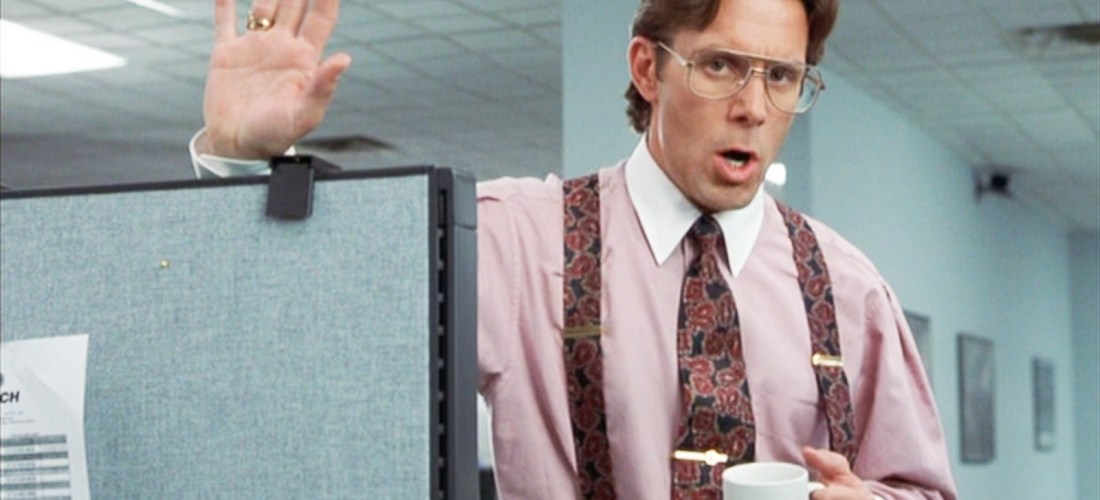
I can’t help but think of Mike Judge’s 1999 movie Office Space when Bill Lumbergh (played to perfection by Gary Cole) leans into Peter Gibbons’ cubicle to chastise him about forgetting to follow the new company policy of putting a cover letter on a TPS report. “Did you see the memo about this?” Lumberg asks in a cringey, monotone drawl. He blatantly disregards Peter’s apology and reasonable plan to fix the error, instead telling Peter that he’ll send him the memo again – even though Peter has it right in front of him. 


As a dark comedy, Office Space makes us laugh with its relatability and only slightly exaggerated representation of a stifling work environment where efficiency is valued over human decency. History brings us some much darker examples, sans the comedy. 

Johnny Lawrence (William Zabka) gives his laptop a puzzled look.

“What’s Facebook?”: Belonging and Communication Online

The Double-Edged Sword

By Olivia Burgess
The Double-Edged Sword

I recently binged the Netflix show Cobra Kai, which brings the characters from the 1984 film Karate Kid into the present. My favorite character in the show is not the original hero Danny Larusso (Ralph Macchio), but the down-and-out and hopelessly politically incorrect Johnny Lawrence (William Zabka), owner of the revitalized Cobra Kai dojo. 

Lawrence is particularly fun to watch as he struggles to learn how to use computers and the internet – from turning on a computer and accessing wi-fi to navigating social media and all the unspoken rules of internet communication. If you’ve watched Cobra Kai on Netflix or YouTube (where it originally started), you’re already better versed in the internet than Johnny, who’d likely guess “Netflix” was a movie about basketball.