By Kendra Rounds
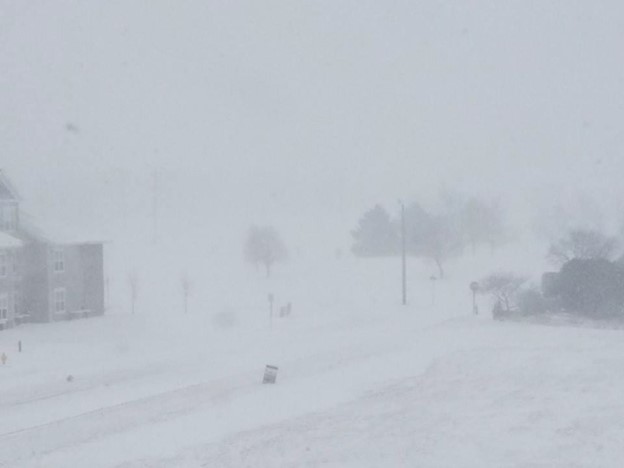
Snowstorms and blizzards can have immense impacts on human infrastructure, create hazardous travel conditions, and shut down cities due to snow and ice accumulation. Many people know this in general about snowstorms but have never considered if there’s any difference between snowstorms at different times of the year.
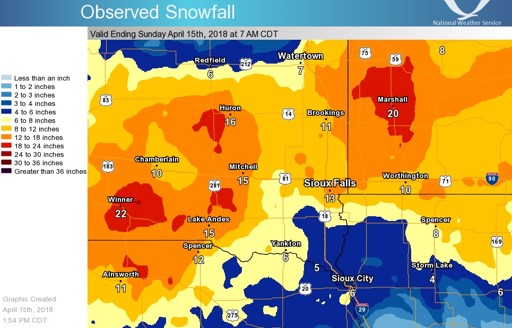
During midwinter – in, say, January – temperatures are colder overall with less sunlight during the daytime to diminish snow accumulation. Snowflakes that form around this time may be smaller and more powder-like. This can reduce visibility more quickly during snow events such as blizzards, which makes traveling conditions more hazardous. During early spring – in, say, April – temperatures are generally warmer with more sunlight throughout the day. While this typically means the effects of a snowstorm won’t last quite as long, the snow that falls is usually thicker and heavier, often called “wet snow.” This snow is much harder to clear from roadways and can cause power outages more easily due to the weight of the snow on powerlines. Many people probably wouldn’t consider that these storms can be so different if they don’t look at the underlying meteorological properties of these storms.