By Asher Malaschak
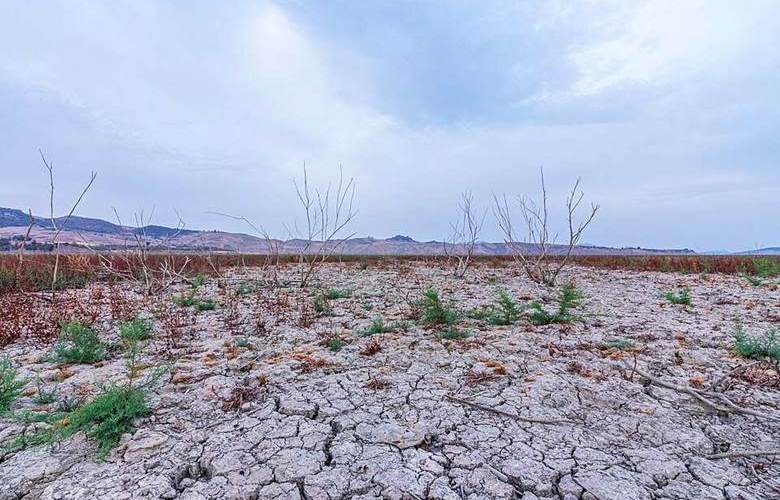
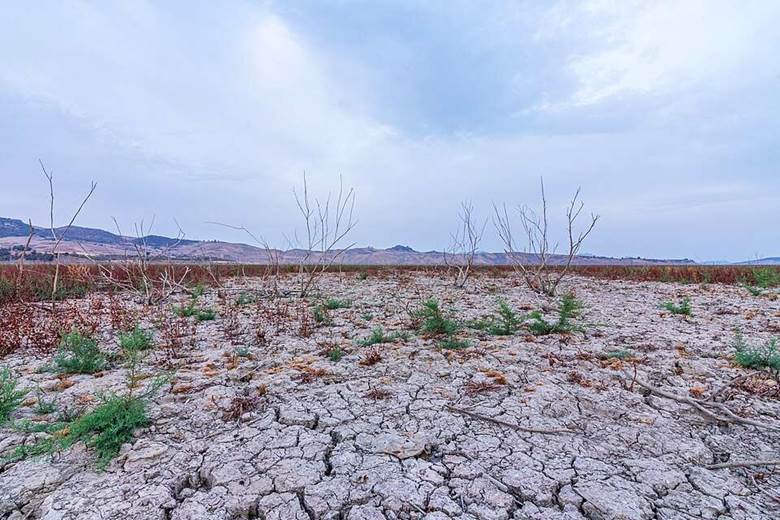
In the summer of 2017, the Northern Great Plains experienced one of the worst droughts of recorded history. At the time of recording, 2017 was ranked as the second driest year since the start of the 20th century (Wang 2019). This drought had devastating economic and environmental impacts, including the decimation of the local agriculture industry, loss of tourism in excess of $240 million, and multiple record-breaking wildfire breakouts (Hoell 2020). The surprising thing about this drought is that, in May, 2017 was considered to be an excellent agricultural year. By the middle of July, the drought was already deemed one of the region’s worst in recent history.
As it turns out, this phenomenon is not uncommon. This is what is known as a “flash drought,” or a rapid intensification of drought within a short time period, typically a month or less. It is generally associated with very high temperatures and clear skies lasting over a long time. Flash droughts can occur during a number of circumstances but are most dangerous when combined with drought conditions that are already present. This can cause significant harm to land that has already proven vulnerable, making the jobs of farmers, wildfire management, and others much more difficult.
I have decided to conduct research regarding flash droughts in the Northern Great Plains. The goal is to analyze the amount of coverage and the intensity of flash droughts in the past 40 years to identify how these patterns are changing. Given Earth’s ever-changing climate, it is vital to identify how climate change is affecting the frequency and severity of flash droughts. This research can also help identify the specific variables involved in climate change that are most responsible for changing the drought scene.

