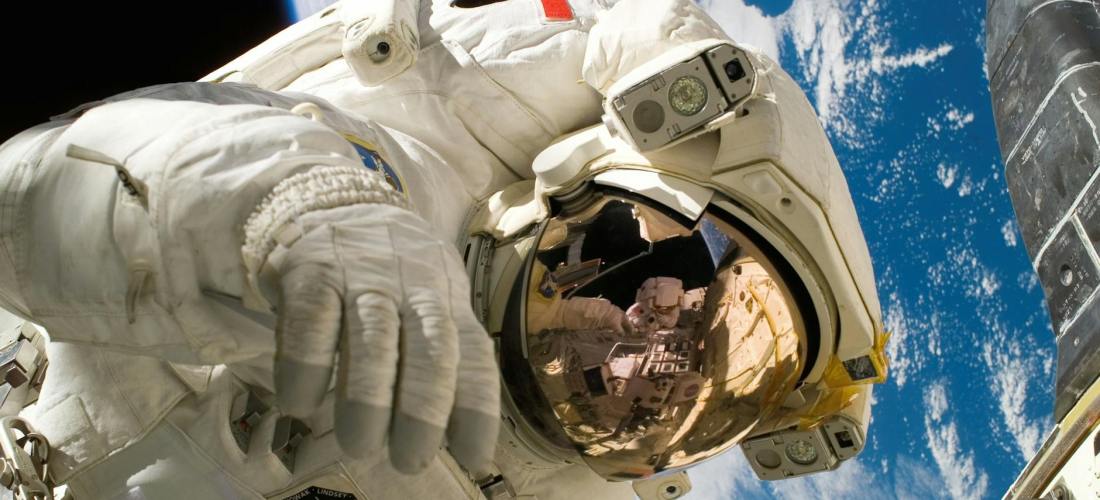
Roger Boisjoly and the Challenger Disaster

The Double-Edged Sword

By Olivia Burgess
The Double-Edged Sword

I recently gave a Brown Bag talk on the Challenger space shuttle disaster, the events surrounding it, and its use as a case study for engineering education and communication. There was so much to cover that I couldn’t go into much detail on one of the most remembered and revered figures of the case study: engineer-turned-whistleblower Roger Boisjoly. To fill in those gaps, I’m dedicating this blog to Boisjoly.

About 73 seconds after the space shuttle Challenger launched on January 28, 1986, it exploded, killing all seven astronauts inside while viewers across the country–including school age children watching in their classrooms–witnessed the disaster on live TV. 

Welcome to the SuperHuman Sports League

The Double-Edged Sword

By Olivia Burgess
The Double-Edged Sword

What if athletes could voluntarily replace their limbs with prosthetics to make them faster and stronger?

This question was raised by Otutoa Afu, an STS major in my Intro to STS course. The class has been discussing what it means to be human in a world where technology can radically transform both the human body and the human experience. Some of these advancements have been tremendously positive, such as the blade runner prosthetic that allows amputees to compete in athletic events, but Otutoa’s question highlights the potential complexities that may arise if technological enhancements become more widespread.

Whether We’re Exploring Space or the Ocean, Stories Fuel Science

The Double-Edged Sword

By Olivia Burgess
The Double-Edged Sword

My Introduction to Science, Technology, & Society class recently discussed “space ethics,” and part of that conversation involved weighing the costs and benefits of prioritizing space exploration over other alternatives – most notably, ocean exploration. 

For part of our discussion, I grouped my students into two different teams and gave them a task: one team had to decide how to convince the public to support funding space exploration, while the other team needed to convince the public that it was better to support ocean exploration.