
By Ashley Walker
Every year the United States suffers from millions of dollars of hail damage to crops, homes, businesses, etc. In 2023, hail resulted in $2.3 billion in damage in the United States alone (NOAA, 2024). Figuring out if we can minimize hail size could make a huge difference. My research focuses on the physics involved in cloud seeding and how this might influence hail formation.
Cloud seeding is a weather modification tool where substances like silver iodide are added to the atmosphere to produce precipitation if moisture is present in that atmosphere. The substances act as cloud condensation nuclei, which helps the formation of ice crystals. If the number of ice crystals were to increase, they would be competing to absorb water. As the water attaches to these particles, it freezes and combines with other droplets to form hail. This increased competition can result in smaller hailstones, which could cause less damage and help communities that are impacted by severe hailstorms. While a lot of research has been done on cloud seedings overall effects, like increasing rainfall, its ability to reduce hail size is not consistent in research. Studies have shown mixed results, some suggesting that cloud seeding does limit hail size, while other studies suggest that cloud seeding has no impact on hail size. These findings emphasize the need to further research to see if cloud seeding is a good tool to reduce hail size.
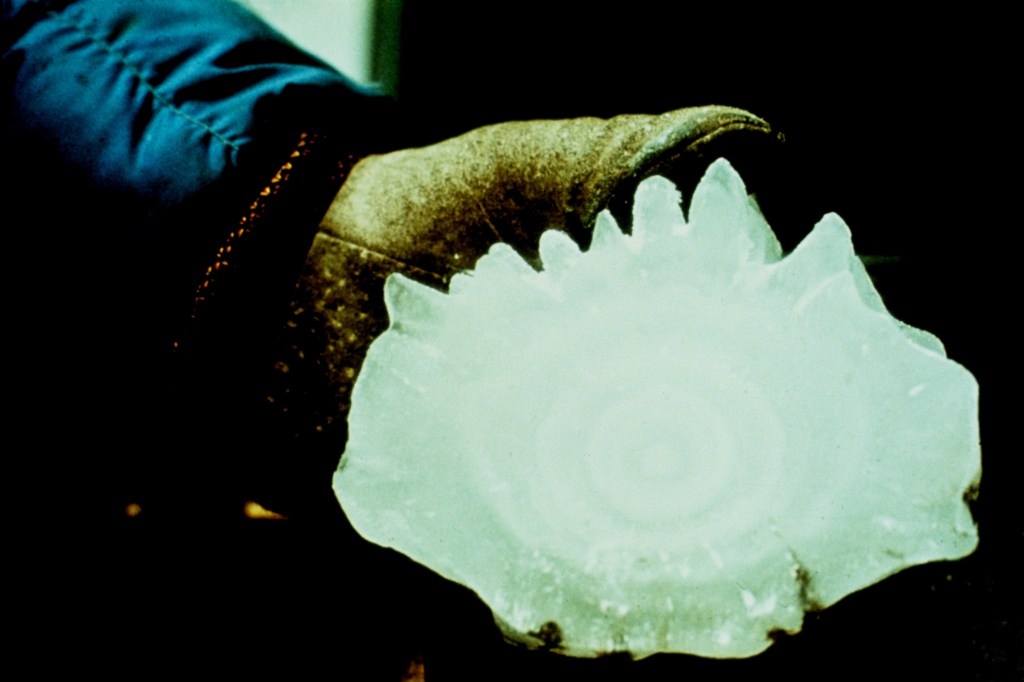
To explore this, I am using the CM1 Model (Cloud Model 1) to simulate thunderstorms and study how cloud seeding might influence hail formation. CM1 is a numerical model that allows us to simulate weather like thunderstorms, squall lines, and other systems. The model allows the user to adjust different variables like temperature, moisture, and microphysics. This is an ideal tool to study the processes behind hail formation.
In my research, I am going to be tweaking the microphysics that occur during a storm that replicate the processes that occur during cloud seeding. This involves adjusting how ice crystals grow and interact with each other in the atmosphere. By doing this, I can see how different variables impact hailstone growth and identify when cloud seeding would be most effective at reducing hail sizes.
This research is important because hailstorms are very damaging. If cloud seeding is a possible way to reduce hail size, it could become the key tool for mitigating the impacts of severe weather. Insurance costs for homeowners could decrease, farmers could save their crops, and communities wouldn’t suffer from as much damage. We could be able to use this technology to mitigate the devastation of extreme weather events. By studying this, my research aims to figure out how cloud seeding can reduce hail size. Since cloud seeding doesn’t work in every scenario, understanding the conditions where it’s most effective could make a big difference.
References
National Oceanic and Atmospheric Administration (NOAA). (2024). Annual U.S. hail damage report. Retrieved from https://www.weather.gov/media/hazstat/sum23.pdf
Bio
Ashley Walker is a senior majoring in Atmospheric and Environmental Sciences with a minor in Geospatial Technologies at South Dakota Mines. I chose this field because of my fascination in extreme weather events, especially giant snowstorms! After graduation I plan to pursue a career that blends meteorology and event planning all into one. Serving as Vice President of Event Management in my sorority, Alpha Delta Pi, gave me invaluable experience in planning and executing events, from large scale to the finest details. This role helped me realize that event planning is more than just something I enjoy- it’s a passion! By combining that with my background in meteorology, I hope to create a career that lets me do both.
 The Novum