Reflections on Service Learning Lessons with Trinity Eco Prayer Park in Dr. Haugtvedt’s Fall 2025 STEM Communication for Public and Technical Audiences Course
Josiah Gibbs
When I first walked into room 206W in the Classroom Building, I was expecting a typical English class. I was not expecting Professor Haugtvedt to outline our main project for the semester as a real-world research project for Trinity Eco Prayer Park in Rapid City, a nonprofit organization. We would not be assigned a prompt. Instead, we would be forming groups and researching problems the park faced, writing first a project proposal, then a recommendation report, then presenting our findings in person to the Board of Trinity Eco Prayer Park.
English assignment? This was more like a senior design project.
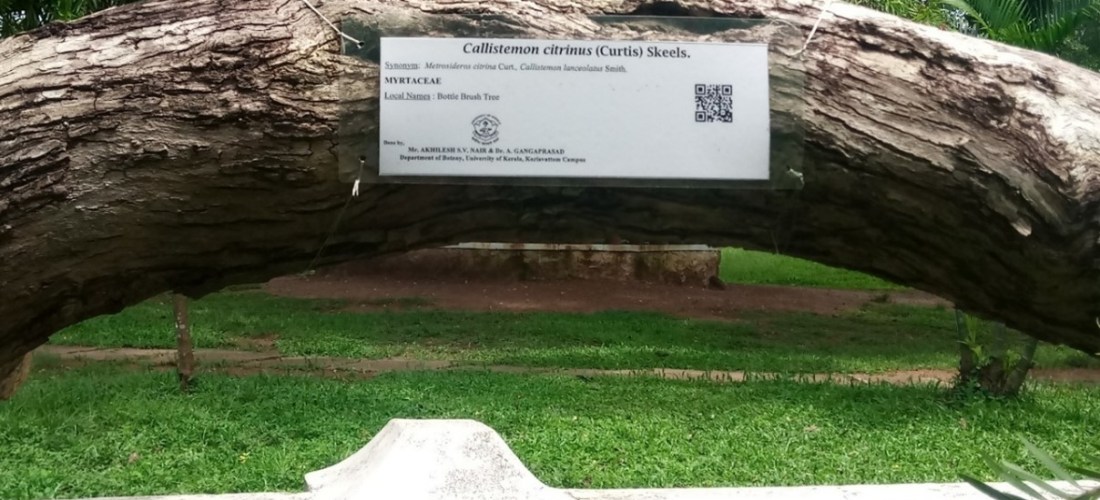
I was suddenly excited. When my team of five chose to research how Trinity Eco could install QR codes in the park, I knew our research would impact the Rapid City community. I also knew that, because this was a real client, the project would prepare me for communicating outside of a college environment. Often, classes are a little too “safe” – isolated from industry – but this class was industry.
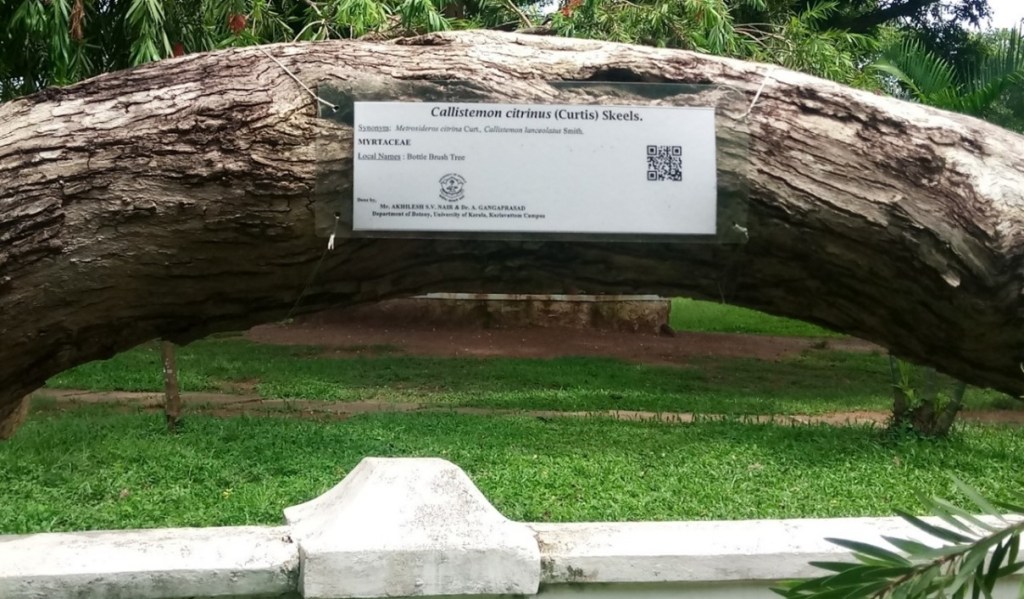
Our team had a picture of Trinity Eco’s future – we wanted to research ways to install QR codes. In a normal project, that would be the end of it, but here we had to communicate with our client and make sure our vision lined up with theirs. Part of my role was to talk to the park’s director, Ken Steinken, to clarify our budget and make sure our plans would match Trinity Eco’s own picture of the park’s future. And, with five team members, we had to communicate among ourselves as well. Everyone needed to know their role and communicate their progress to the group. This was all besides our main communication with Trinity Eco: the proposal and the report we were writing. To make a real impact, we had to be able to share information on multiple fronts. The same will be true in a career. With this project behind me, though, I know I can communicate on that level. When I stood in front of Trinity Eco’s Board with my team, describing our plans for QR code installation, I realized we had succeeded – the Board understood our research, and they resonated with it. I’m taking that confidence with me into the future. After this project, I know I can communicate.
Drew Catlette
Our team decided to work on implementing a QR code signage system for Trinity Eco Prayer Park. Our team researched subtopics such as web hosting options, accessibility, effective signage principles, and pricing that the park could use to determine a course of action. Our team communicated with Ken Steinken, the park’s director, throughout the project, to ensure our solutions and research would be relevant and beneficial for the park’s needs.
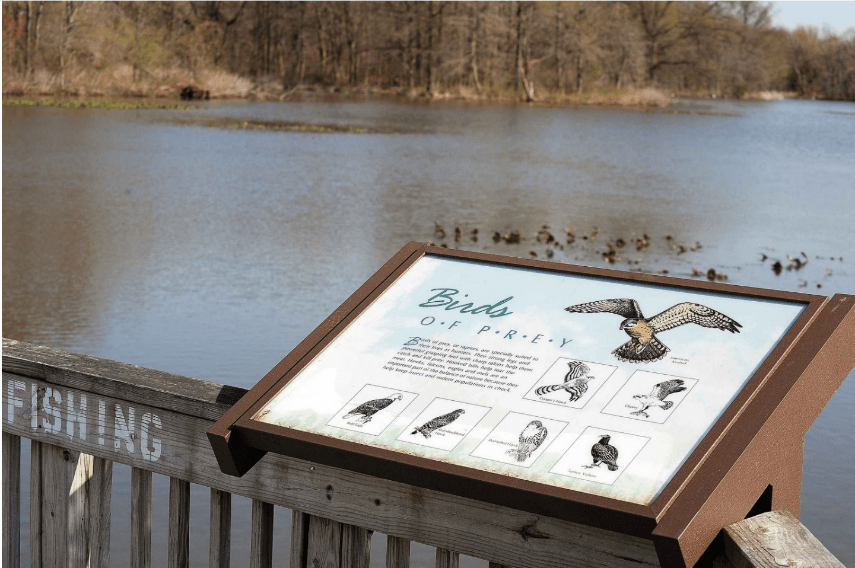
Our team found that the signage could be implemented using custom ordered signage, professional signage or even a combination of the two. We recommended using signage that is noticeable and creates engagement with the park’s visitors. This way people will be motivated to return and will better understand what the park has to offer. Using signage that is of higher quality is usually more expensive but also creates more engagement. We also found that cheap options are available, but this option sometimes limits the design capabilities and effectiveness of communication.
At the end of the project, our team gave the park a variety of options that included high quality/priced signage with fairly priced web hosting, as well as cheap signage with free web hosting. These options give the park insight into what options they could pursue and give them a choice to implement signage that would match their desires and the resources they are willing to allocate.
Bios:
Josiah Gibbs is a Sophomore in Electrical Engineering. His goldfish-like attention span has prompted his interest in far too many technical and creative areas, including novel-writing, coding, amateur radio, and the degree he’s studying for.
Drew Catlette is a Junior Biomedical Engineering student at SDSMT.
 The Novum