
By Paul Roques
Did you know that the Dilophosaurus wasn’t actually able to spit venom and was about 8 feet tall in real life? I sure didn’t until I was around 14, when I started doing more research on dinosaurs. Growing up, dinosaurs were my biggest passion. The first movie I remember watching was Jurassic Park (1993). Until my freshman year of college, my dream was to be a paleontologist; that’s even how I ended up at South Dakota Mines. However, things changed during the 2nd semester of my freshman year, when that route didn’t really fit me. That’s when I discovered STS through a friend and then later found my passion for the law. However, I felt it would be poetic to bring my studies full circle and do a project on paleontology. Therefore, my project will be an analysis of the ethics behind the misrepresentation of paleontology in science fiction films. I want to research this because of my passion for dinosaurs and how I believe we should all learn to love the current interpretations of dinosaurs versus the monster movie showbiz they are portrayed as.

From the 1960s to the 1990s, interest in dinosaur science increased. This was dubbed the “dinosaur renaissance” by Robert T. Bakker in 1975 (Chambers and McCahey, 2024). This then gave birth to a lot of dinosaur science fiction, the most famous being Jurassic Park. One of the things that these films have done is create a misrepresentation of the science and scientists behind them, such as portraying paleontologists as action heroes and depicting dinosaurs, like the Dilophosaurus, in a way that bears little resemblance to their real-life counterparts. To make the films more interesting, they have to add fictional details that would go against modern science, adding features that were never true. This has gotten to the point that a very select few people (that I have personally seen in comment sections) claim their favourite dinosaur is the Indominus Rex from Jurassic World (2015). For reference, the Indominus Rex was a hybrid of a few existing dinosaurs and does not exist in the scientific world.
Furthermore, there are many areas in the paleontological world where there hasn’t been great communication between scientists and the popular media. As a result, the media has grown to not always be able to distinguish between the speculative side of paleontology versus the factual side. For example, a species called the Troodon was classified as a dinosaur based on a single tooth. This species then got featured in movies and games alike due to its popularity among popculture. However, in 2017, Troodon was no longer seen as a valid species, as there was too little information to go on and too many similarities to other dinosaurs (University of Alberta, 2017). Even though this occurred, the news never reached the media and Troodon is still being used in the media and sold as toys.

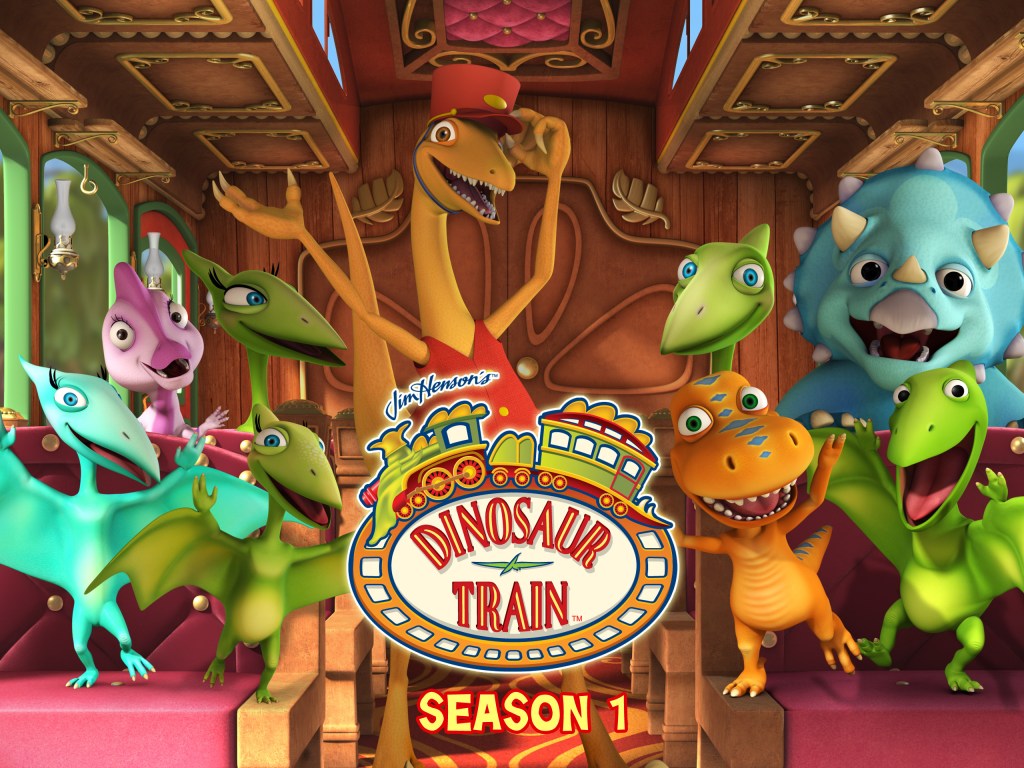
Overall, I will be taking a look at prehistoric films to keep the project narrower, as expanding to other media like paleoarts or video games would make it too broad. However, this brings me back to my primary research question: why is the misrepresentation of dinosaur science important? It is important because these films can impact the public understanding of science, lead to an eventual lack of respect for scientific labor and credibility, and change the popular view of paleontology.
References
Chambers, A. C., & McCahey, D. (2024). 1990s dinomania: Public and popular cultures of palaeontology from Jurassic Park to Friends. Interdisciplinary Science Reviews, 49(3–4), 410–423. https://doi.org/10.1177/03080188241233121
University of Alberta. (2017, August 8). Dino hips discovery unravels species riddle. ScienceDaily. Retrieved October 30, 2025 from www.sciencedaily.com/releases/2017/08/170808145519.html
Paul Roques is a senior Science, Technology, and Society major.
 The Novum